Focused arrival windows
Useful updates and clear arrival timing.

Water Line Leak Detection Venice FL starts with listening, not digging. We use acoustic microphones, thermal imaging cameras and pressure testing gauges to find water main leak detection in Venice FL problems under slabs, driveways and lawns. Whether your water bill jumped or a warm spot appeared on the floor, our licensed plumbers pinpoint the break, explain the fix and stop the damage before it spreads through your foundation.
Useful updates and clear arrival timing.
Review the approach and price before deciding.
Equipped vehicles and respectful cleanup.
Neighbors serving neighbors with follow-through.
Every detection visit includes the tools, the time and the documentation you need to make a repair decision. We do not charge extra for thermal imaging or pressure testing. If the leak is outside the slab, we still find it. Repair work is quoted separately after you see the findings.
We isolate irrigation, pool and domestic lines, then pressurize each zone with a gauge. A dropping needle tells us which line is leaking. This step takes 20 to 30 minutes and prevents us from chasing the wrong pipe.
A Sewerin acoustic microphone and a FLIR thermal camera cover the slab in a 3-foot grid. We listen for the hiss and look for temperature changes. Both readings are recorded and included in your report.
We confirm the spot with a moisture meter at the baseboards and, when accessible, a video pipe inspection camera inside the line. Two independent methods mean we are not guessing when we mark the floor.
The leak point gets marked with paint and photographed. Your report includes pressure readings, thermal images, pipe material and depth. You can hand it to an insurance adjuster or a second plumbing company.
Before we leave, you get a flat price for the repair, a timeline and a warranty length. No hourly meter, no surprise change orders. If you decide to think it over, the report is yours to keep.
Share what is happening and receive a clear next step from the local team.
Water line leak detection Venice FL is the process of finding the exact break point on a pressurized water service line or under-slab pipe without tearing up your whole floor. We pressurize the line, isolate fixtures, then sweep the slab with an acoustic leak detection microphone and a Fluke or FLIR thermal imaging camera. A pinhole pipe leak in copper or a failed fitting in PEX shows up as a temperature anomaly or a hiss you can hear through 4 inches of concrete. Once located, we mark the spot with paint and give you a repair plan the same day.
In Venice, slab leaks are common in homes built from the 1970s through the 1990s, where copper pipe sits directly in or under the concrete. Our sandy soil and high water table in Sarasota County keep those lines wet, and chlorinated water slowly eats pinholes through the pipe wall. If you have tried water line leak detection near me Venice searches and gotten vague answers, we give you a precise location, a flat repair price and a written report you can hand to your insurance adjuster.
You call (941) 477-1483 and describe what you are seeing: high water bill, warm floor spots, water pooling on floor or a meter that never stops. We ask three or four questions, then schedule a same-day or next-morning visit. If water is actively running, we treat it as an emergency and roll a truck within the hour.
On arrival, we shut the main and isolate the domestic water system from irrigation and pool lines. A pressure testing gauge goes on the service line. If it holds pressure, the leak is inside the house. If it drops, the break is between the meter and the foundation. This step takes 20 to 30 minutes and eliminates half the possibilities.
We walk the slab with a Sewerin acoustic leak detection microphone and a FLIR infrared camera. A pressurized leak pushes water through concrete and creates a distinct hiss; the camera shows the cool or warm signature on the floor surface. We grid the house in 3-foot sections so nothing gets missed.
Once we hear or see the leak, we confirm it with a second method, usually an electronic leak detection wand or a moisture meter reading at the baseboard. We mark the spot with paint, photograph the readings and write the depth and pipe material on the report. You get a clear picture of what is wrong before anyone picks up a concrete saw.
We sit down with you and lay out the options: spot repair, under-slab pipe rerouting or a partial repipe. You get a flat price, a timeline and a warranty length in writing. If you approve, we schedule the repair, usually within 48 hours. If you want a second opinion, the detection report is yours to keep.
Amplifies the hiss of pressurized water escaping under concrete. We grid the slab in 3-foot sections and listen for the loudest point. It is the primary locator on every job.
Shows temperature differences on the floor surface caused by escaping hot or cold water. Warm water leaks read as hot spots; cold line leaks read as cool spots. Fast and non-invasive.
Confirms whether a line is losing pressure and how fast. A dropping needle isolates the leaking zone before we start sweeping the slab. Accurate to within 1 psi.
Lets us look inside the line when we can access it. We check for corrosion, scale and joint failures that acoustic gear cannot see. Helps decide repair versus reroute.
Confirms moisture and sound at the slab surface. We use it as a second opinion after acoustic and thermal readings. It narrows the repair point to within a few inches.
Used only after the leak is confirmed and you approve the repair. We cut a small access hole, usually 2 feet by 2 feet, instead of trenching the whole room.
Maps water content in the slab and baseboards. High readings near a wall or cabinet point to a leak nearby. We use it to confirm the acoustic and thermal findings.
We shut the main, cap fixtures and pressurize each zone separately. A dropping gauge tells us which line is leaking. This step eliminates irrigation, pool and domestic lines one at a time and takes 20 to 30 minutes.
The slab is divided into 3-foot sections. We walk each section with the Sewerin microphone, listening for the leak hiss. The loudest point is marked and then confirmed with a second method before any concrete is cut.
A FLIR camera scans the floor for temperature anomalies. Hot-water leaks show as warm patches; cold line leaks show as cool patches. We compare the thermal map to the acoustic findings to confirm the location.
When the pipe is a candidate, we evaluate epoxy pipe lining as a repair option. It avoids a full trench and works well on straight runs. We tell you honestly if your line qualifies or if a reroute is the better call.
We run a full detection before you close. Pressure test, acoustic sweep and thermal scan, with a written report. If there is a leak, you know the repair cost before you sign. You negotiate from facts, not guesses. Most buyers save more than the detection fee in the first round of repairs.
We isolate the irrigation main from the domestic line and use acoustic gear to find the break. A small dig and a pipe repair usually solves it. We backfill the same day. Your yard dries out, the irrigation pressure returns and you avoid replacing the whole system.
We schedule detection around the tenant's hours, confirm the hot-water line leak with thermal imaging and give the owner a flat repair quote. The report goes to the property manager for records. The tenant stays, the floor gets fixed and the owner has documentation for taxes and insurance.
We work after hours to avoid disrupting business. Pressure testing isolates the zone, acoustic gear finds the break and we repair the line with minimal concrete cutting. The bill drops back to normal, the business stays open and the repair is documented for your facility file.
Venice sits on sandy soil with a high water table, and that changes how leaks behave. A break under a slab in Venice Gardens may not surface for months because the water drains into the sand instead of pooling. Chlorinated municipal water slowly eats pinholes through copper pipe, especially in homes built from the 1970s through the 1990s. We see the most failures in copper lines under kitchen and hallway slabs, and in CPVC fittings near water heaters. Florida Building Code requires pressure testing after any under-slab repair, and we document those readings. If you search for underground water line leak detection Venice, you will find plenty of companies that dig first and ask questions later. We do it the other way around. Acoustic and thermal tools locate the leak, then we cut a small access hole. Our trucks carry Uponor PEX, SharkBite fittings and copper repair couplings, so most repairs are finished in one visit. After a storm, we also check for soil movement around the foundation that can shift pipes and cause new leaks.
Many 1970s and 1980s homes with original copper under the slab. Pinhole leaks are common near the kitchen and hallway. We know the typical pipe routing in these floor plans.
Older homes and commercial buildings with a mix of copper and galvanized pipe. Tight lots mean we use acoustic gear to avoid heavy equipment near historic structures.
Newer construction with PEX and CPVC systems. Leaks here are usually failed fittings or abrasion points, not pipe wall corrosion. Repairs are faster and less invasive.
Homes close to the water table. A slab leak here can saturate the soil quickly. We check for foundation movement as part of the detection report.
Water from a leak drains away instead of pooling on the surface, so leaks go unnoticed longer. Acoustic gear is essential because visual clues are rare until the damage is advanced.
Chlorine accelerates pinhole corrosion in copper pipe. Homes older than 25 years are at higher risk. We check pipe wall condition during detection and flag sections that are close to failing.
Concrete expands in the Florida heat and can pinch or abrade pipes running through it. We see more leaks in late summer and early fall. Pressure testing catches them before they surface.
Heavy rain can shift soil under a slab and stress pipe joints. After a major storm, we recommend a pressure test if you notice a water bill change or a new warm spot.
A family of four saw their water bill climb from $95 to $260 over two months. No visible leak, no wet floor. The meter spun even with everything off. They had called two other plumbers who suggested breaking the slab in the living room.
We pressure-tested the line, isolated the irrigation and found a pinhole leak under the kitchen slab with acoustic gear. A 2-foot access hole, a copper repair coupling and a concrete patch later, the bill dropped back to $98 the next cycle. Total repair time: one day.
Maintenance: We recommended a pressure test every 18 months on the remaining copper. If two more pinholes appear within 10 feet, a reroute is cheaper than repeated slab cuts.
A homeowner felt a warm patch on the hallway tile for three weeks. The laminate nearby started to cup. A handyman told them it was a slab leak but could not find the spot. They were facing a full floor tear-out.
Thermal imaging showed the hot spot in 10 minutes. Acoustic gear pinpointed the hot-water line 14 inches from the wall. We cut a small square, repaired the copper and patched the concrete. The laminate dried flat and the floor is cool again.
Maintenance: Keep the repaired area dry for 48 hours and watch for new warm spots. We pressure-tested the line before leaving and it held at 80 psi.
A retail building on Tamiami Trail had a water bill jump by $400 in one month. The owner suspected a slab leak but could not shut down the store for a full day of detection. Tenants were complaining about a damp spot near a fitting room.
We worked after hours, isolated the domestic line and found a failed CPVC fitting under the slab with acoustic and thermal gear. The repair took four hours, including the concrete patch. The next bill dropped by $380 and the damp spot dried out.
Maintenance: We documented the repair with photos and pressure readings for the owner's facility file. A quarterly meter check catches new leaks early.
Most Venice homeowners call us after the second high water bill or the first warm floor spot. Here are the problems we hear most, and how we handle them.
A hidden under-slab leak can waste 10,000 gallons a month and add $150 or more to your bill. Left alone, it undermines the slab and can cause foundation cracks. We run a meter test, isolate the zones and use acoustic and thermal gear to find the break. Most hidden leaks are located within 90 minutes. You get a marked spot and a flat repair quote the same day.
A warm floor slab leak means hot water is escaping under the concrete. It warps laminate, cracks tile and feeds mold in the baseboards. The longer it runs, the bigger the repair. Thermal imaging confirms the hot spot in minutes. We switch to acoustic gear to pinpoint the pipe, then repair or reroute the hot line. The concrete patch is matched to your floor and the area is dry before we leave.
That hiss is pressurized water escaping a pinhole pipe leak. It can run for months before you see damage, and by then the soil under the slab is saturated. We pressurize the line and listen with a Sewerin microphone. The loudest point is the leak. We confirm with a moisture meter, mark the spot and quote the repair. No digging until you approve.
Foundation water leak activity shifts soil and lifts the slab. Cracks spread, doors stick and repair costs climb fast. This is the point where detection saves thousands. We locate the leak, repair the pipe and check for soil erosion. If the slab has moved, we document it and recommend a foundation specialist. Fixing the water source stops the movement from getting worse.
$180 - $450 for detection; $850 - $3,500 for repair depending on scope
Detection pricing in Venice is straightforward. Most residential jobs run $180 to $450 in 2026, depending on slab size, how many zones we isolate and whether we need video confirmation. The detection fee is credited toward the repair if you hire us. Repair pricing depends on pipe material, depth and whether we spot-repair or reroute. We give you a flat number before we cut. No hourly meter, no surprise change orders. If we cannot find the leak, you do not pay for detection.
Finding the leak is the cheap part. Breaking the wrong slab costs $1,500 or more in unnecessary demolition and floor replacement. Our detection fee is credited toward the repair, so precise location pays for itself.
A 1,200-square-foot home takes less time to sweep than a 3,000-square-foot home with multiple wings. Larger slabs need more acoustic grid sections and more thermal images. Expect the detection fee to scale with square footage.
Homes with irrigation, pool plumbing and multiple hose bibs take longer to isolate. Each zone needs a separate pressure test. More zones mean more time, but they also prevent us from chasing the wrong line.
Copper under 4 inches of concrete is harder to hear than PEX under 2 inches. Depth affects both detection time and repair cost. We note the depth in your report so the repair quote is accurate.
A spot repair with a coupling is the cheapest fix. Under-slab pipe rerouting costs more but ends the cycle of repeated leaks. We quote both when the pipe is marginal and let you choose.
Tile and laminate are easier to patch than hardwood or custom stone. If the leak is under a cabinet or appliance, access is tighter and the repair takes longer. We factor this into the flat quote.
Standard weekday detection is the lowest price. Nights, weekends and emergency calls carry a higher rate because we pull a crew off other jobs. We tell you the difference before we dispatch.
Our technicians hold Florida licensed plumber credentials and carry IAPMO certification for pipe inspection work. We train on RIDGID and General Pipe Cleaners equipment, and we follow the Uniform Plumbing Code (UPC) and Florida Building Code on every repair. Venice SlabGuard has located and repaired hundreds of under-slab leaks across Sarasota County, from 1950s bungalows near Venice Beach to 2000s builds in Venice Gardens. We carry backflow prevention certification and OSHA safety certification, so the job is done right and the crew goes home safe. When we say we found it, we can show you the reading.
Our water bill jumped from $90 to $240 in one month. Venice SlabGuard came out the next morning, pressure-tested the line and found a pinhole leak under the kitchen slab in about an hour. They marked it, showed me the thermal image and quoted a flat repair price. No jackhammer until I approved. The floor is dry and the bill is back to normal.
I had a warm spot on the tile for weeks and kept putting it off. These guys found a hot-water line leak under the hallway with the acoustic mic and a camera. They cut a 2-foot square, repaired the copper and patched the concrete the same day. I could not believe how clean the job was. Worth every penny.
We manage several rentals in Sarasota County and use Venice SlabGuard for all our leak calls. They respond fast, document everything with photos and pressure readings, and their reports make insurance claims easy. Last month they found an underground water line leak at a duplex in under two hours. No guesswork, no repeat visits.
Most residential detections run $180 to $450 in 2026, depending on slab size and how many methods we need. A simple acoustic sweep on a 1,500-square-foot home is on the low end. If we have to isolate irrigation, pool lines and pressure-test multiple zones, it lands higher. The detection fee is credited toward the repair if you hire us for the fix.
We pressurize the line, then listen with an acoustic microphone and scan the slab with a thermal imaging camera. A pressurized leak makes a hiss you can hear through concrete, and the escaping water changes the floor temperature by 3 to 8 degrees. We confirm with a moisture meter or electronic wand before marking the spot. No digging until we know exactly where to cut.
Yes. Acoustic, thermal and pressure methods locate the leak from the surface. We only break concrete after the spot is confirmed and you approve the repair. In most Venice homes, the access hole is 2 feet by 2 feet, not a trench. That keeps your tile, laminate or hardwood intact and cuts the repair bill significantly.
Venice SlabGuard does. We are a licensed plumbing contractor serving Sarasota County with trucks based in Venice. We handle residential and commercial detection, from a single-family home on Venice Island to a retail building on Tamiami Trail. Call (941) 477-1483 and we will schedule a same-day or next-morning visit.
Not seeing your question? Our local team can help you understand urgency, scheduling and what to expect.
Ask the local team
Slab leak detection is the parent service for water line leak detection Venice FL work. We use the same acoustic and thermal tools to find breaks under the concrete, then mark the spot for repair. If you suspect a slab leak, this is the first call.
View service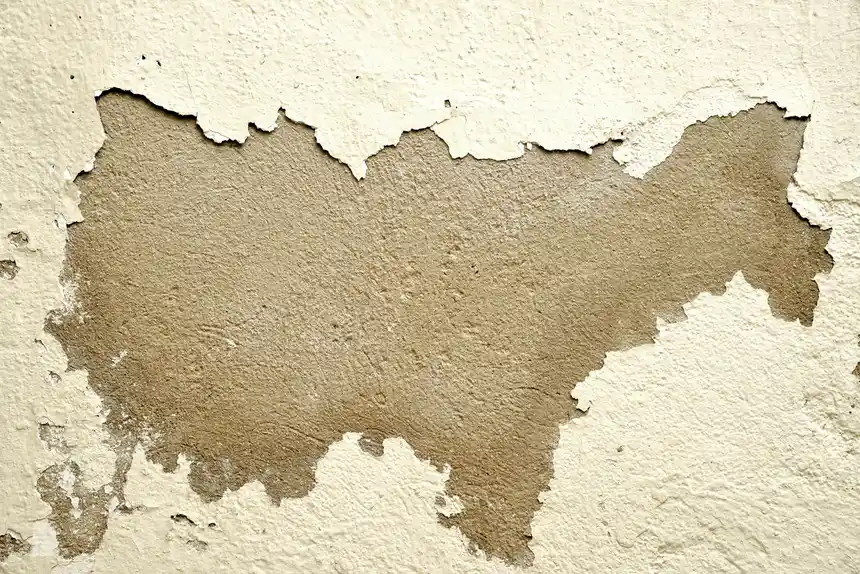
When water is pooling on the floor at 2 a.m., emergency slab leak repair stops the damage fast. We isolate the line, locate the break and make a temporary or permanent repair the same night. Available 24/7 across Venice and Sarasota County.
View service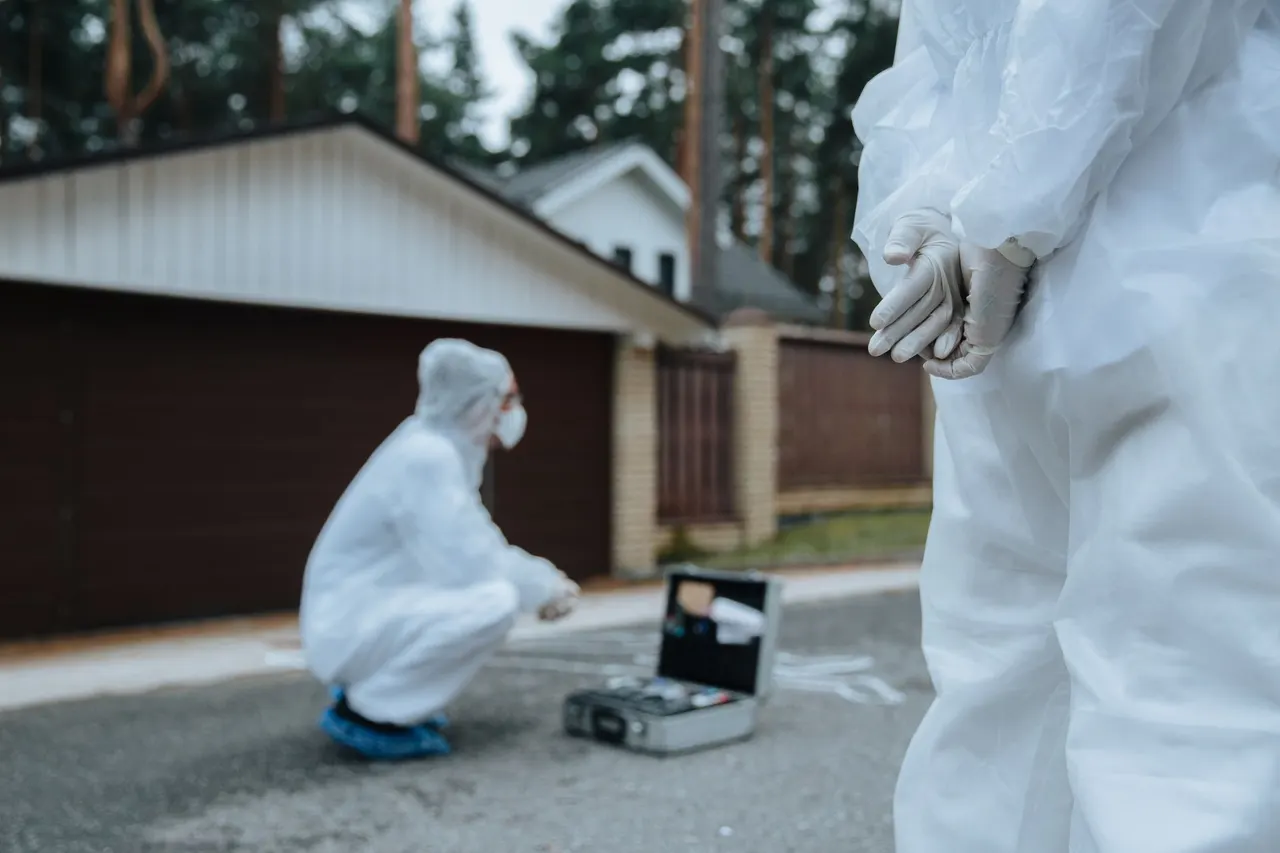
Under-slab water leak repair fixes the pipe after detection confirms the spot. We cut a small access hole, repair or reroute the line, then patch the concrete. Most jobs are done in one day with a written warranty.
View service
Slab leak location services are exactly what they sound like: we find the leak and mark it. No repair, no pressure to hire us. You get a written report with photos and pressure readings you can use for insurance or a second opinion.
View service
Reach us at (941) 477-1483 or info@veniceslabguard.com and we will get a tech on your leak. We answer 24/7 for active water loss and schedule standard inspections Monday through Friday, 8:00 a.m. to 6:00 p.m. Same-day appointments are common across Venice and Sarasota County.