Focused arrival windows
Useful updates and clear arrival timing.
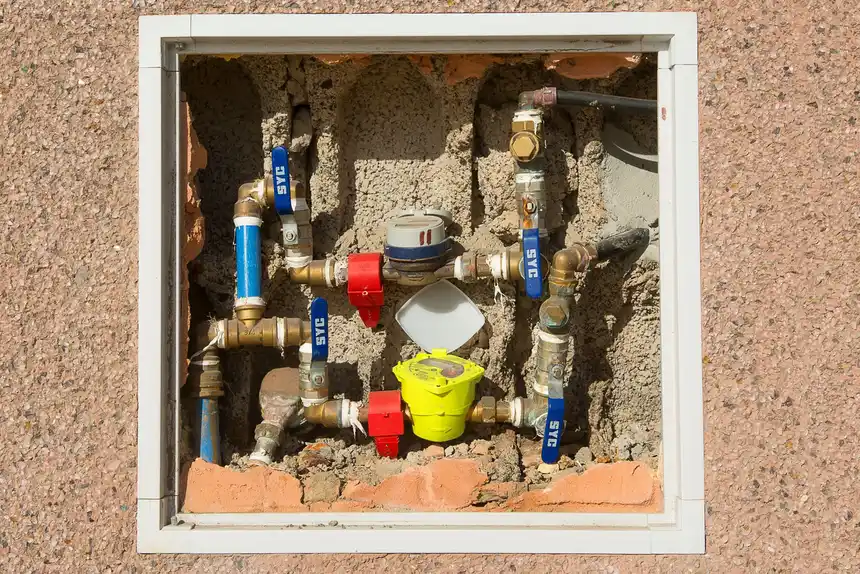
Infrared leak detection Venice FL uses thermal imaging cameras to spot the temperature signature of a leaking pipe under your slab, usually in under two hours. If your water bill jumped, a floor spot feels warm, or you hear water running with everything shut off, we can tell you exactly where the problem is before anyone picks up a jackhammer. We serve homeowners and businesses across Sarasota County, and we answer calls 24/7.
Useful updates and clear arrival timing.
Review the approach and price before deciding.
Equipped vehicles and respectful cleanup.
Neighbors serving neighbors with follow-through.
Every scan is a full diagnostic visit, not a quick camera pass. You get the thermal read, the confirmation tests, and a written location report you can hand to any repair crew.
Room-by-room thermal imaging with a FLIR camera, logging temperature differentials across the entire slab. We mark every suspect area with tape so you can see the pattern yourself.
We isolate the domestic water system and pressurize it with a pressure testing gauge to confirm an active supply leak and rule out irrigation, pool, or drain issues.
A Sewerin acoustic leak detection microphone listens for the hiss of escaping water at the thermal hit. This cross-check is what keeps us from opening the wrong spot.
A moisture meter traces how far water has spread under the flooring and into adjacent walls, so you know whether drying equipment is needed before repairs start.
You get the leak location, pipe material, thermal images, and a repair price in writing before we leave. If you approve the repair, the diagnostic fee is credited to the job.
Share what is happening and receive a clear next step from the local team.
Infrared leak detection Venice FL is a non-invasive diagnostic method that uses a thermal imaging camera to read surface temperature differences across your floor. A pressurized water line leaking under a concrete slab changes the temperature of the slab above it, and a FLIR or Fluke infrared camera picks up that pattern in real time. We confirm the reading with an acoustic leak detection microphone and a moisture meter, so you get a located leak, not a guess.
Venice homes sit on slab-on-grade foundations, and much of the housing stock was built between the 1970s and 1990s with copper pipe running directly under the concrete. That copper corrodes, pinholes, and eventually fails. When a homeowner in Venice Gardens calls about a high water bill or a warm spot near the kitchen, infrared water leak detection Venice FL is the fastest way to narrow it down. We also handle infrared slab leak detection Venice Florida for older properties where the pipe layout is unknown.
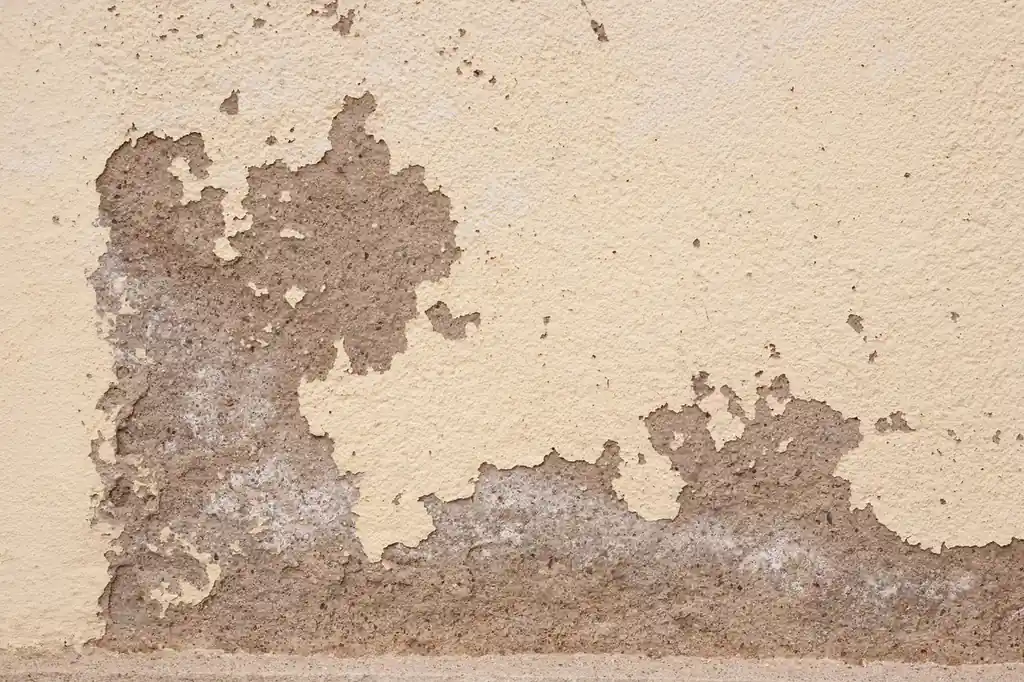
We ask three questions: what is your water bill compared to last month, where is the warm spot or sound, and is the water shut off. That tells us whether this is a supply-side slab leak or a drain issue. You get a two-hour arrival window and a flat diagnostic price before we hang up.
On arrival we isolate the domestic water system and pressurize it with a pressure testing gauge. A line that will not hold pressure confirms an active supply leak. This step takes 15 to 20 minutes and separates a true slab leak from a drain clog or irrigation break.
We walk the floor with a FLIR thermal imaging camera, logging temperature differentials room by room. A leaking hot line shows as a warm plume; a cold line shows as a cool band. We mark the readings with tape so you can see the pattern yourself.
We cross-check the thermal hit with an acoustic leak detection microphone and a moisture meter, then trace the pipe run with a pipe locator. That triple confirmation is what keeps us from opening the wrong spot. Total scan time runs 60 to 120 minutes.
You get the leak location, the pipe material, and a written repair price on the spot. Most under-slab repairs are completed the same day or the next, and we test the line at full pressure before we patch the concrete and leave.

Reads surface temperature differences across the slab to reveal the warm or cool plume of a leaking pipe. This is the core tool behind every infrared scan we run.
Listens for the hiss and rush of pressurized water escaping the pipe. It confirms the thermal hit and narrows the location to within a few inches.
Isolates and pressurizes the domestic water system to confirm an active supply leak and measure how fast the line loses pressure.
Maps how far water has spread under the flooring and into adjacent walls, telling us whether drying equipment is needed before repairs.
Traces the actual pipe run under the slab so we know the depth, direction, and material before we cut concrete.
Scopes drain lines when the symptoms point to a clog rather than a supply leak, so we do not cut a slab for the wrong problem.
Used only after the leak is located and marked. We cut a controlled access opening and patch it with a matched concrete patch when the repair is done.
We never trust a single tool. The thermal camera finds the pattern, the acoustic microphone confirms the sound, and the moisture meter maps the spread. Three independent readings agreeing is what justifies cutting concrete.
We shut off fixtures and irrigation, then pressurize the domestic system to 80 psi. A line that bleeds pressure confirms an active supply leak and rules out drains, pools, and sprinklers.
Every repair is built to the Uniform Plumbing Code and Florida Building Code, including proper fittings, support, and pressure testing before the slab is closed. We document the test result.
Where the pipe run allows, we repair or line the pipe with minimal excavation. Less concrete removal, faster cure time, and the same pressure-tested result as a full open repair.
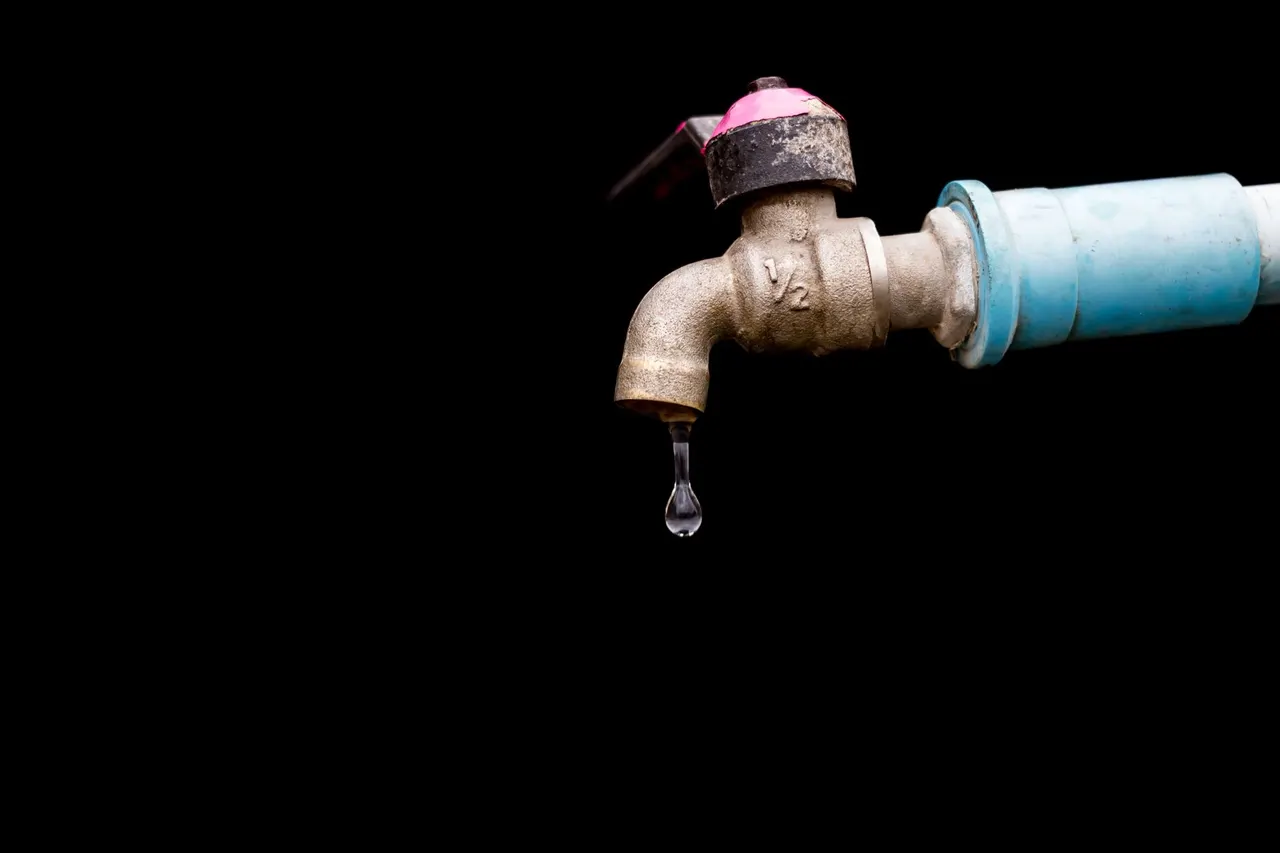
We run a full thermal scan and pressure isolation to separate a slab leak from an irrigation or pool leak. The camera usually shows the plume within the first 30 minutes of scanning. You get a located leak, a repair price, and a plan to stop the water loss before the next billing cycle.
Warm floor slab leak detection is our most common call. We scan with a FLIR camera, confirm with an acoustic microphone, and mark the hot-water line failure under the slab. One controlled concrete cut instead of exploratory demolition, and a repaired line that pressure-tests clean.
We provide a locate-only diagnostic with thermal images, moisture readings, and a written report you can attach to the transaction. No repair commitment required. Both sides get a clear picture of the pipe condition, which keeps the deal moving instead of stalling on unknowns.
We scan the full slab, pressure-test the system, and check for early corrosion signatures at the most likely failure points. If the line is near end of life, we quote a reroute or repipe. You either get confirmation the line is sound or a planned replacement before it fails at 2 a.m. on a holiday weekend.
Venice sits on flat, sandy soil with a high water table, and most homes are slab-on-grade. That combination means an under-slab leak does not drain away, it saturates the soil and pushes water toward the foundation. Much of the housing stock in Venice Gardens, Oakwood, and East Venice was built between the 1970s and 1990s with copper pipe under the concrete, and that copper is now at the age where pinhole leaks and corrosion failures are common. Summer here also drives water demand up, so a slab leak that would show on a winter bill gets masked by irrigation use until the damage is well underway. We run infrared leak detection service Venice Florida calls year-round, with extra volume from October through April when seasonal residents return and notice warm floor spots they missed in summer. If you are searching for infrared leak detection in Venice FL near me, we cover the island and the mainland, and we know which neighborhoods have the older copper systems.
Mostly 1970s and 1980s slab homes with original copper under the concrete. We see a high rate of pinhole leaks on the hot-water side here.
Newer construction with PEX pipe. Failures cluster at fittings and crimp rings rather than mid-pipe, so the thermal signature is smaller and needs tighter scanning.
Older, tighter lots with mature landscaping. Irrigation lines and slab piping often run close together, so pressure isolation matters before we cut.
Higher water table and sandy soil. Leaks here saturate fast, and moisture mapping is critical to catch spread into the walls.
Water from a slab leak has nowhere to drain, so it pools under the foundation and spreads laterally. We map moisture farther out than in drier parts of the state.
Homes built before the mid-1990s often have copper under the slab that is corroding. We check the surrounding run for the next weak point, not just the active leak.
Snowbird homes sit empty for months, so a slow leak can run unnoticed. When owners return in fall, we often find advanced moisture spread and need to dry before repairing.
Heavy irrigation use hides the water-bill signal from a slab leak. We rely on thermal and acoustic readings rather than the bill alone during the wet season.
A Venice Gardens homeowner had a warm band in front of the kitchen for weeks and a water bill up 4,000 gallons. Two other plumbers wanted to break three separate spots to find the line.
Our thermal scan marked the leak in 40 minutes, acoustic confirmed it, and we cut one 14-inch access opening. The copper line was repaired and pressure-tested at 80 psi the same day.
Maintenance: Keep the water bill history handy and re-scan if a warm spot returns. Copper lines that fail once often fail again within a few feet, so we note the surrounding run for future reference.
A North Venice family heard water running at night with every fixture shut off. The home had PEX pipe and no visible water, so the source was a mystery for two weeks.
Infrared found a cool band under the hallway slab, and the acoustic microphone confirmed a fitting failure. We replaced the crimp ring and section, tested the line, and patched the slab in one visit.
Maintenance: PEX failures cluster at fittings. We tagged the repair location and recommended a scan of the remaining run if the sound returns, which catches the next weak point early.
A Downtown Venice property manager had a tenant reporting a hot bathroom floor and a rising water bill. The building needed a fast answer without displacing the tenant for days.
We scanned on a Tuesday, located the hot-water leak, and repaired it Thursday morning. The tenant stayed in place, and the concrete patch was finished before noon.
Maintenance: We left a written report with the thermal images for the building file. Annual pressure testing on older rental slabs catches the next leak before a tenant reports it.
Most slab leaks announce themselves the same way. Here are the calls we run most often, and what happens if you wait.
An under-slab pipe leak can push 50 to 200 gallons a day into the soil, undermining the slab and driving mold into wall cavities within weeks. We run infrared water leak detection Venice FL to isolate the supply line, pressure-test it, and locate the failure. Most repairs are completed the same day, and the bill drops back to normal the next cycle.
A warm floor spot means a hot-water line is leaking under the slab. Ignoring it corrodes the surrounding copper and turns a small repair into a full reroute. Our thermal imaging camera reads the hot-water plume in minutes. We confirm with acoustic listening, mark the spot, and repair the copper or convert the run to PEX pipe.
That sound is pressurized water escaping a pinhole pipe leak. Left alone, it erodes the soil under the foundation and can crack the slab within a season. We isolate the system, confirm the leak with a pressure testing gauge, then use infrared and acoustic gear to pinpoint it. You get a located leak and a repair plan before any concrete is cut.
Pooling water usually means the leak has already spread. Tile lifts, baseboards swell, and mold starts in the wall cavity within days. We scan the area with thermal imaging, map the moisture spread, and locate the source. If it is a slab leak we repair it; if it is a drain clog, we scope it with a video pipe inspection camera and clear the line.
$250 - $450 for the diagnostic scan; repairs typically $850 - $3,500 depending on access and scope
Typical 2026 pricing for infrared leak detection in this area runs $250 to $450 for the scan, pressure test, and written report. The repair itself is quoted separately and depends on access, pipe material, and how much concrete has to come out. We credit the diagnostic fee toward the repair if you hire us for the fix, so the scan effectively costs nothing on a completed job. You get the price before we start, not after.
A located leak means one concrete cut instead of three, and a repair that holds pressure the first time. That is the difference between a few hundred dollars of diagnostics and thousands in exploratory demolition.
A 1,200-square-foot condo scans faster than a 3,000-square-foot home with multiple wings. Larger slabs take longer to walk and produce more thermal data to interpret.
One warm spot is a quick confirm. Three or four possible locations mean more acoustic listening and pressure isolation time, which adds to the diagnostic.
A 2 a.m. emergency call carries an after-hours rate on top of the standard diagnostic. We tell you the number on the phone before we roll.
Copper under 4 inches of concrete is straightforward. Deeper runs, post-tension slabs, or homes with unknown layouts take longer to trace with the pipe locator.
Tile and travertine scan cleanly. Thick carpet, floating floors, or standing water reduce the thermal signal and may require a second pass or acoustic-first approach.
A single fitting or pinhole repair is the low end. A full reroute or repipe is quoted separately, and we always present the repair options with prices before cutting.
Our technicians are state-licensed plumbing contractors who work slab leaks every week in Sarasota County. We carry IAPMO certification and Backflow prevention certification, and we work to the Uniform Plumbing Code and Florida Building Code on every repair. Our tool kit includes FLIR thermal cameras, Sewerin acoustic microphones, RIDGID pipe locators, and General Pipe Cleaners video inspection equipment. We have scanned everything from 1970s copper systems in Venice Gardens to newer PEX builds in North Venice, and we know how each one fails.
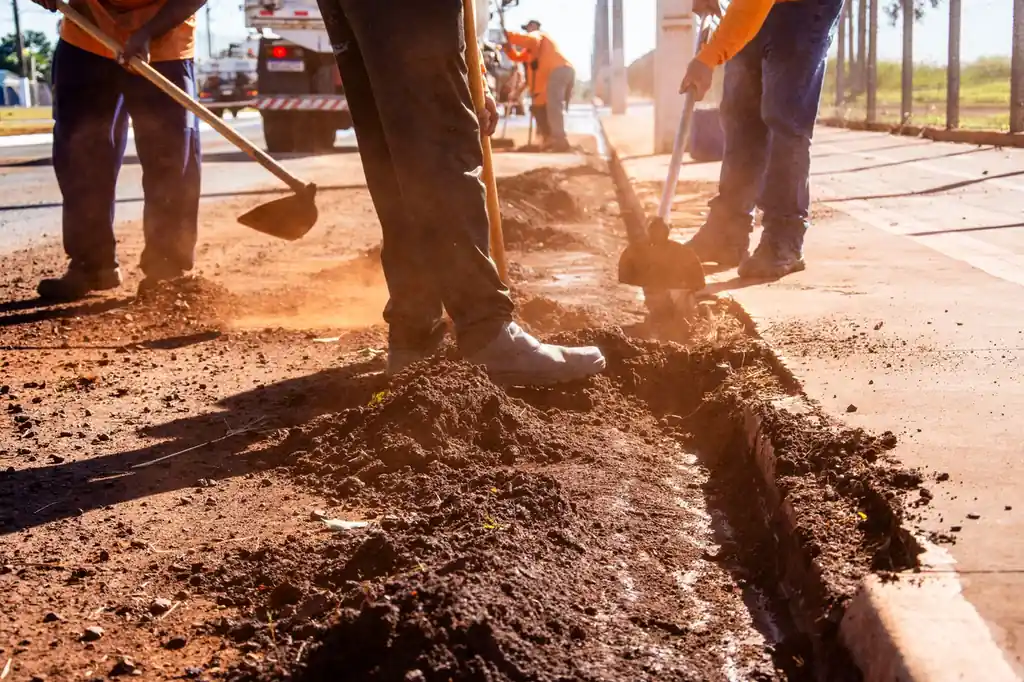
Our water bill doubled in one month and we could not figure out why. The crew walked the house with a thermal camera and found a warm band right in front of the kitchen. They pressure-tested, confirmed it, and repaired the copper line the same afternoon. One concrete patch, no mess, and the bill went back to normal.
I manage a small rental building and had a tenant reporting a hot spot on the bathroom floor. Venice SlabGuard scanned it, located the leak, and gave me a written report with photos. The repair was done two days later with almost no disruption. Straight pricing and no upselling.
We heard water running at night with everything shut off. They came out on a Sunday, used infrared and an acoustic microphone, and found a pinhole leak under the hallway slab. The repair held pressure at 80 psi and they patched the concrete clean. Worth every dollar.
It reads temperature differences on your floor caused by a leaking pipe under the slab. A thermal imaging camera scans room by room, and the leak shows as a warm or cool plume compared to the surrounding concrete. We then confirm the spot with an acoustic microphone and a moisture meter. The whole scan takes 60 to 120 minutes and involves no cutting.
Yes, for pressurized supply lines under the slab, infrared finds them reliably. Hot-water leaks show the strongest signature; cold-line leaks show a weaker but readable one. If the thermal scan is inconclusive, we fall back to acoustic listening and pressure isolation. Drain leaks under the slab need a video pipe inspection camera instead.
Typical 2026 pricing in this area runs $250 to $450 for a full scan, pressure test, and written location report. Cost goes up with square footage, multiple suspect areas, or after-hours dispatch. If you approve the repair, we credit the diagnostic fee toward the job, so the scan effectively costs you nothing.
On a pressurized supply leak, thermal imaging narrows the location to within about a square foot in most cases. Accuracy drops when the slab is covered by thick carpet, floating floors, or standing water. That is why we never rely on the camera alone. We confirm with acoustic detection and a moisture meter before anyone cuts concrete.
Not seeing your question? Our local team can help you understand urgency, scheduling and what to expect.
Ask the local team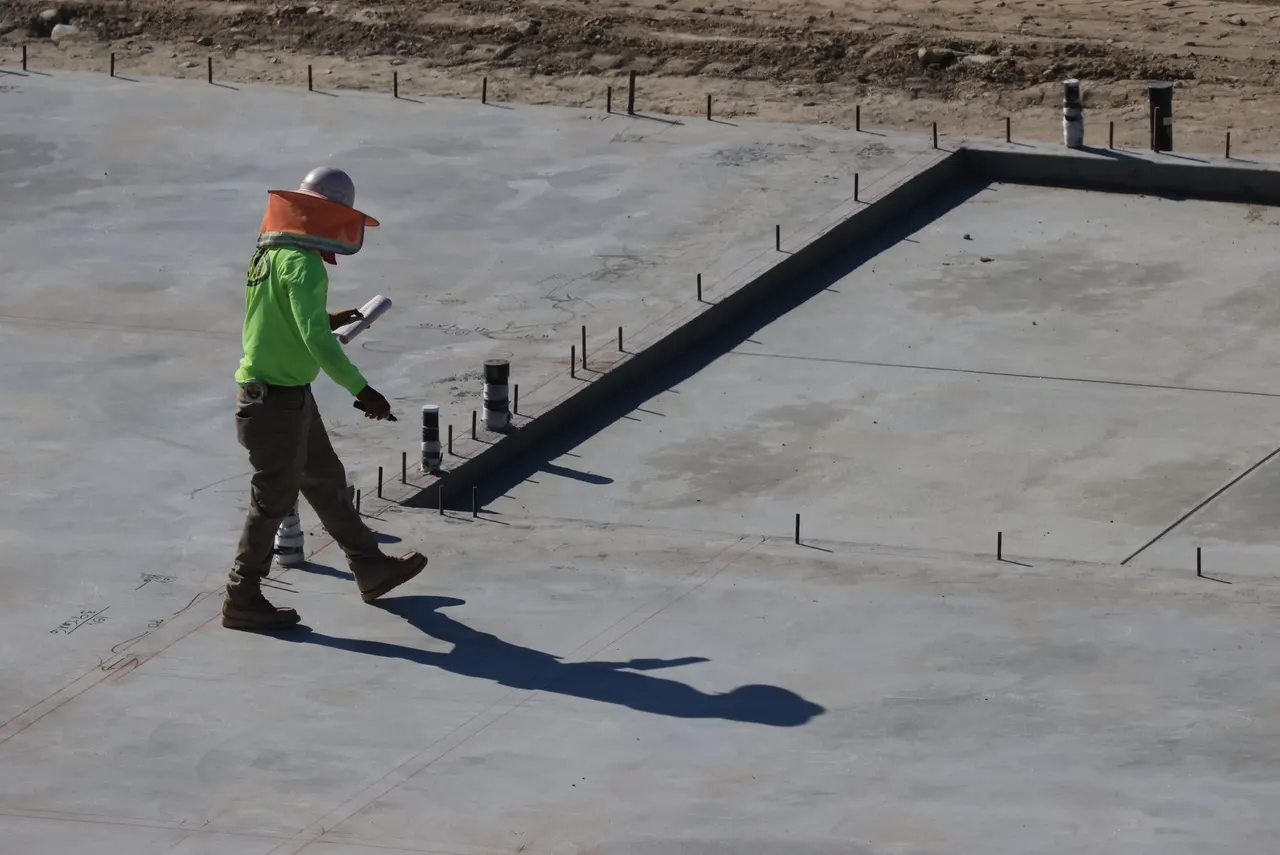
The parent service behind every infrared scan. We combine thermal imaging, acoustic listening, and pressure testing to locate the leak, then hand you a repair plan for your Venice home.
View service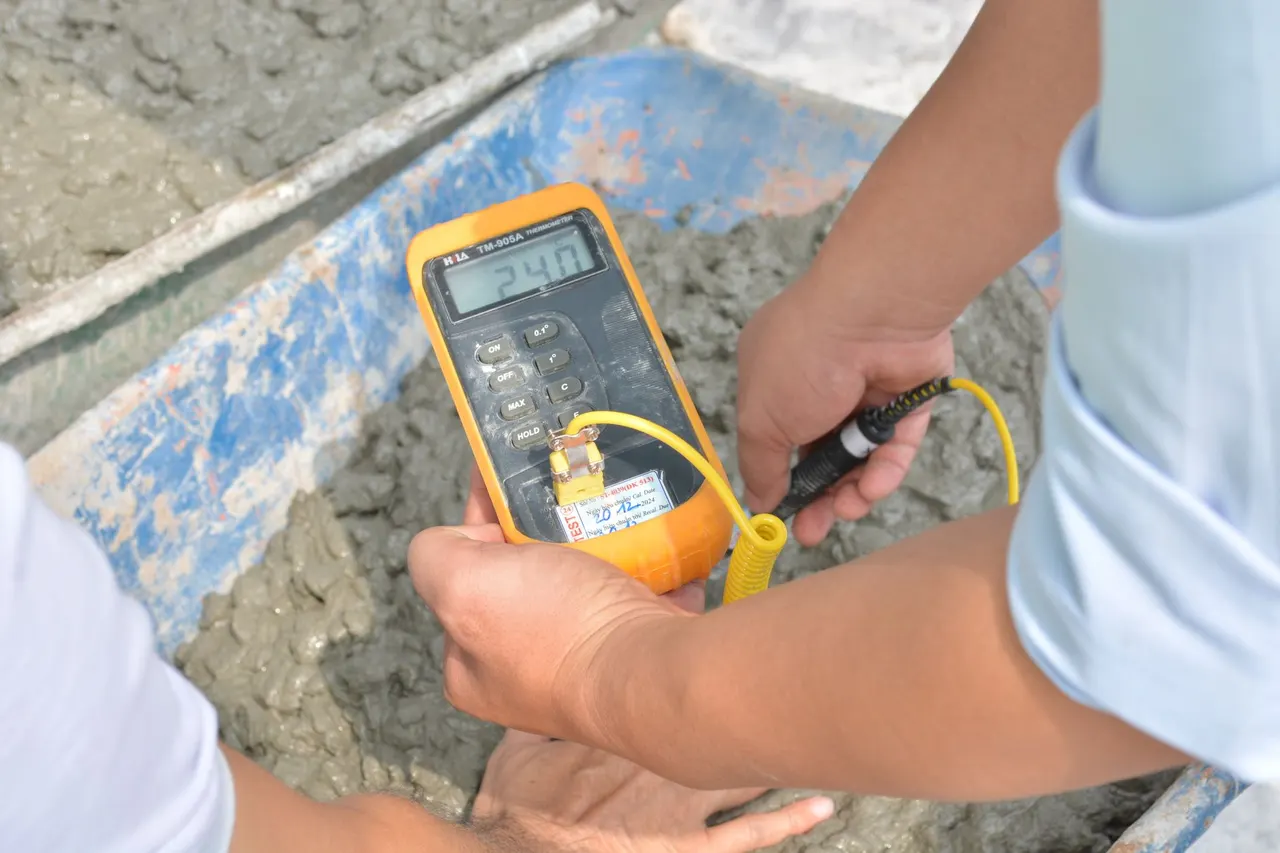
When a slab leak is actively flooding your floor, our emergency crew responds 24/7. We isolate the line, stop the water, and complete the repair before the damage spreads into your walls.
View service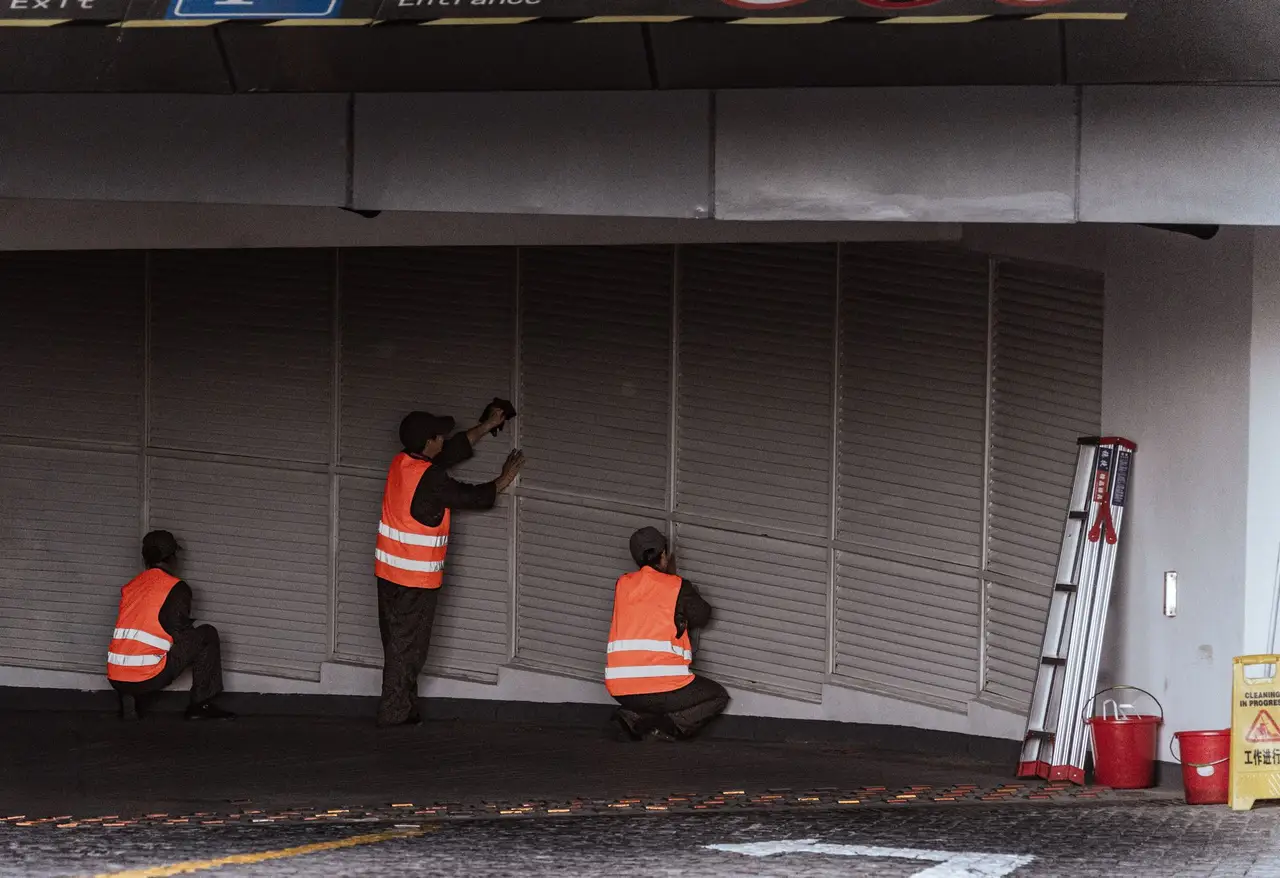
Once infrared marks the spot, we open the smallest possible access point, repair the failed pipe, and pressure-test before patching. Most under-slab repairs in Venice finish in one day.
View serviceA dedicated locate-only visit for homeowners who want the leak pinpointed before deciding on repair. You get a marked floor, a written report, and photos of the thermal readings.
View service
Reach us at (941) 477-1483 or info@veniceslabguard.com and we will get a tech on your leak. We answer 24/7 for active water loss and schedule standard inspections Monday through Friday, 8:00 a.m. to 6:00 p.m. Same-day appointments are common across Venice and Sarasota County.