Focused arrival windows
Useful updates and clear arrival timing.

If your water bill jumped and you hear water running when nothing is on, non invasive slab leak detection Venice FL is the fastest way to find the break without tearing up your home. We use acoustic microphones, thermal cameras, and pressure testing to pinpoint the leak under your slab. Venice SlabGuard serves homeowners across Sarasota County with same-day scheduling and honest, upfront pricing.
Useful updates and clear arrival timing.
Review the approach and price before deciding.
Equipped vehicles and respectful cleanup.
Neighbors serving neighbors with follow-through.
Every detection visit covers the full diagnostic so you get a real answer, not a guess. Here is what is included in a standard non-invasive slab leak call, and what we handle separately only if you need it.
We isolate hot, cold, and irrigation zones and pressure test each one with a Fluke gauge. This tells us which line is leaking before we ever sweep the floor, and it rules out a drain clog vs slab leak in about 20 minutes.
A technician grids your slab in 2-foot increments with a Sewerin or RIDGID acoustic microphone. We listen for the hiss of pressurized water escaping a copper or PEX pipe. This is the step that pinpoints the leak without breaking concrete.
We cross-check every acoustic hit with a FLIR thermal imaging camera. Warm floor spots confirm hot-side leaks, and cool moisture patterns flag cold-side breaks. Two tools agreeing means we are confident before we mark the spot.
A moisture meter maps how far water has spread under the slab and into baseboards or carpet. This tells you whether you also need foundation water leak repair or just a pipe fix, and it documents the damage for insurance if you file a claim.
We tape the leak location on your floor, photograph it, and hand you a written report with pipe material and recommended repair. You keep the report whether you hire us for the repair or not.
If you approve the repair, our crew carries copper, CPVC, Uponor PEX, and SharkBite fittings on the truck. Most spot repairs are completed the same day as detection, so you are not waiting on a second appointment.
Share what is happening and receive a clear next step from the local team.
Non invasive slab leak detection Venice FL is a diagnostic service that locates under-slab pipe leaks using acoustic listening equipment, thermal imaging, and pressure testing instead of jackhammers. We pressurize your water lines, listen for the signature hiss of a pinhole pipe leak through the concrete, and confirm the spot with an infrared camera. Most homes are diagnosed in two to four hours. You get a marked location on the floor and a written report before any repair begins.
Venice homes sit on some of the most aggressive soil in Florida. The combination of sandy fill, high water tables, and 1970s-through-1990s copper pipe means slab leaks are common in neighborhoods like Venice Gardens and Oakwood. If you have seen warm floor spots, a high water bill, or water pooling on floor near a baseboard, no dig slab leak detection Venice FL gets you answers without demolition. We also handle non invasive leak detection 24/7 Venice FL for after-hours emergencies.
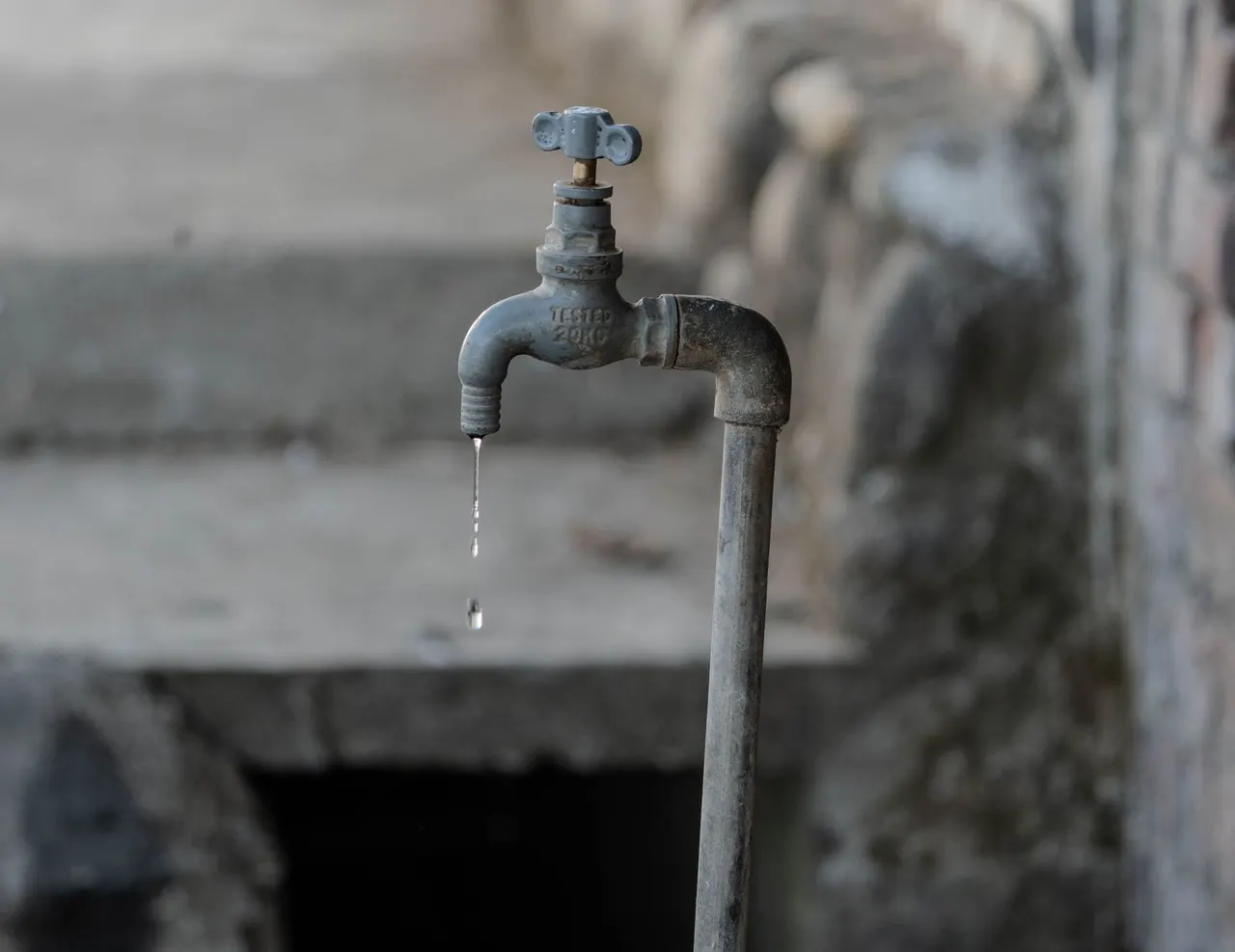
You call (941) 477-1483 and tell us what you are seeing: high water bill, warm floor spots, or the sound of running water. We ask a few questions to narrow the likely line and schedule a same-day or next-morning visit. You get a clear arrival window, not a four-hour maybe.
On site, we shut off the main and isolate the hot and cold sides of your system. We attach a pressure testing gauge and watch for drop-off. This step takes 20 to 30 minutes and tells us whether the leak is on the domestic line, the irrigation loop, or a drain.
We walk the slab with an acoustic leak detection microphone, listening for the hiss and rush of pressurized water escaping a copper pipe or PEX pipe. We grid the floor in 2-foot increments so nothing gets missed. This is the core of no dig slab leak detection Venice Florida.
We cross-check the acoustic hit with a thermal imaging camera and infrared camera. A warm floor spot or a cool patch on the slab confirms the location. We mark the spot with tape and photograph it for your records.
You get a written summary with the leak location, pipe material, and recommended repair. We walk you through options, from a spot repair to under-slab pipe rerouting. If you approve, we can often start the repair the same visit.

Ground-listening microphone that picks up the hiss of pressurized water escaping a pipe under concrete. We grid the slab in 2-foot increments so no zone gets skipped.
Infrared camera that shows warm floor spots from hot-side leaks and cool moisture patterns from cold-side breaks. It confirms every acoustic hit before we mark the floor.
Isolates each zone and measures pressure drop to identify which line is leaking. It is the first test on every call and rules out drain issues fast.
Pushes through drain lines to check for cracks and blockages that mimic a slab leak. It settles the drain clog vs slab leak question without guesswork.
Traces faint leaks and maps how far moisture has spread under the slab and into walls. It documents damage for insurance and tells us if foundation repair is needed.
Maps the exact run of under-slab lines before any repair. Knowing the pipe path means a smaller access cut and less chance of hitting a line during the fix.
Used for epoxy pipe lining on longer runs where cutting a full trench would be destructive. It repairs the line from the inside with minimal excavation.
We shut the main, isolate hot, cold, and irrigation zones, and pressurize each one separately. A gauge drop tells us which line is leaking. This 20-minute step is the backbone of every non-invasive diagnosis.
We walk the slab in a 2-foot grid with a Sewerin microphone, listening for the signature sound of water escaping a pipe. Hits are logged and ranked by intensity, then cross-checked with thermal imaging before we commit to a location.
A FLIR camera confirms the acoustic hit by showing a temperature anomaly on the slab. Two independent tools agreeing is our standard for confidence. We do not mark a spot on a single-tool guess.
Every repair we make follows Uniform Plumbing Code and Florida Building Code standards. That includes proper pipe support, correct fitting types, and pressure testing before the slab is patched and closed.
When a line is too long or too deep to cut open, we use trenchless pipe lining equipment and epoxy pipe lining to repair from the inside. It keeps your flooring intact and shortens the job by a day or more.
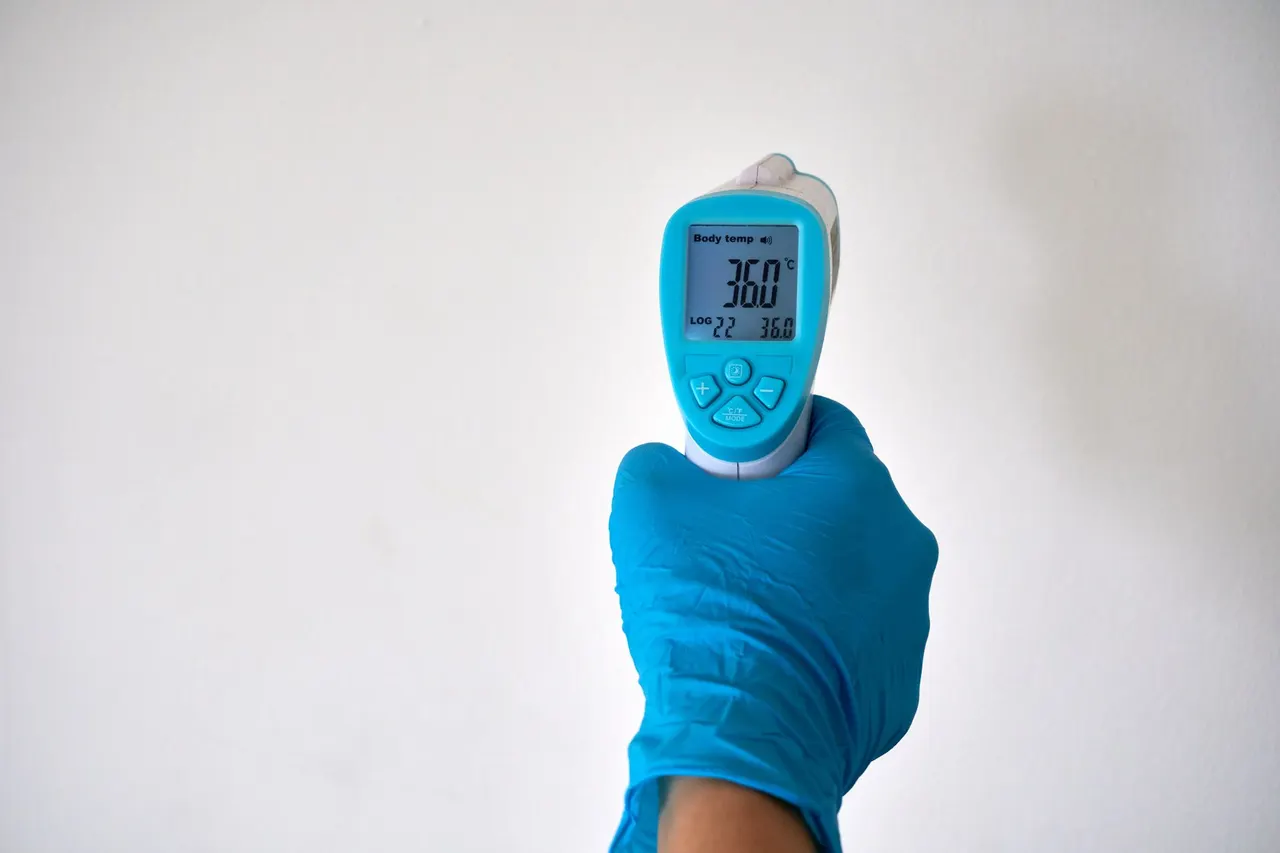
We run a full pressure test on hot, cold, and irrigation zones, then sweep the slab with acoustic gear. We find the leaking line and mark the spot, usually within a single visit. You get a confirmed leak location and a repair plan the same day, instead of paying another high bill while guessing.
We pressure test the system and run non-invasive detection across the slab. If the copper is failing, we document it with photos and a written report you can use in negotiation. You know exactly what you are buying, and you have leverage to ask for a credit or a repair before you sign.
We bring acoustic, thermal, and electronic detection gear to locate the leak from the surface. In most cases we pinpoint it without opening the floor at all. You avoid unnecessary demolition, save $1,200 to $3,500 in patching and flooring, and still get the leak fixed.
We answer 24/7 and walk you through isolating the main. A technician arrives with detection gear, finds the leak, and either repairs it or sets you up for a same-day fix. The water stops, the damage is contained, and you are not waiting until morning to find out how bad it is.
Venice sits on sandy fill over a high water table, and that combination is hard on under-slab pipe. Copper lines in 1970s and 1980s homes corrode from the outside in, which is why pinhole pipe leak calls spike in older neighborhoods like Venice Gardens and Oakwood. Newer builds with PEX pipe leak less from corrosion but can fail at fittings. We adjust our detection approach to the era of the home: acoustic gear for copper, thermal and electronic tools for PEX and CPVC. Summer rains raise the water table and can mask a leak's sound, so we often run detection early in the morning when ambient noise is lowest. If you need no dig slab leak detection Venice Florida after a storm, we prioritize those calls. Every repair follows Florida Building Code and Uniform Plumbing Code, and we pressure test before we patch.
Mostly 1970s and 1980s homes with original copper under the slab. Corrosion-driven pinhole leaks are our most common call here.
Older, smaller lots with mature landscaping. Tree roots and irrigation lines can mimic slab leak symptoms, so we isolate zones carefully.
Newer construction with PEX and CPVC. Leaks here are usually fitting failures, and thermal imaging catches them quickly.
High water table and salt exposure. We see more underground water leak calls after heavy summer rain and storm surge events.
Mix of mid-century and newer builds. We check pipe material first because the detection approach changes with the era of the home.
Water under the slab has nowhere to drain, so leaks saturate the fill fast. That speeds up corrosion on copper and makes early detection more valuable.
Salt and mineral content in coastal Venice soil eats copper pipe from the outside. Homes in the 34285 ZIP code see pinhole leaks earlier than inland builds.
Heavy rain raises ambient noise and can mask leak sounds. We schedule detection early in the day and lean harder on thermal imaging during storm season.
Copper that has been in the ground for three decades is on borrowed time. We check the whole run, not just the leak, so you know what is coming next.
A homeowner in Venice Gardens had a water bill that jumped from $95 to $240 in one month. They could hear water running at night but no plumber could find it without breaking the slab. Two companies quoted exploratory demolition.
We pressure tested the zones and found the cold-side drop in 25 minutes. An acoustic sweep located a pinhole leak under the hallway, confirmed by thermal imaging. We opened one 18-inch access point, repaired the copper, and patched it. Total repair cost was $780 instead of the $4,000 floor replacement they were quoted.
Maintenance: We recommended checking the rest of the copper run within 12 months. Copper that fails in one spot often fails again nearby, and early detection keeps the next repair small.
A couple in Downtown Venice noticed a warm patch on their terrazzo floor that stayed hot even with the heat off. Their water bill was normal, so they waited three months. The warm spot grew from 2 feet to 6 feet across.
Thermal imaging confirmed a hot-water line leak under the terrazzo. We marked it, opened a small access point, and repaired the copper line with a SharkBite coupling. The terrazzo was patched and color-matched. The repair took one day and cost $920, versus $5,000-plus to replace the terrazzo section.
Maintenance: We pressure tested the hot side after repair and advised a moisture check in 30 days. Terrazzo can hold residual moisture, and a quick meter reading confirms it is drying out.
A North Venice homeowner in a 2015 build had water pooling on the floor near a baseboard. The home had PEX pipe, so they assumed it was a drain issue. A drain camera showed the drain was clear, which pointed to a supply line.
We isolated the cold side and found a pressure drop. Acoustic gear picked up a faint hiss under the laundry room, and infrared confirmed it. The failure was a cracked PEX fitting. We replaced it with an Uponor fitting and pressure tested the line. The job was done in three hours for $540.
Maintenance: We checked the other PEX fittings in the same manifold run and found one more showing stress. Replacing it proactively cost $85 and avoided a second leak call.
Most slab leak calls start with one of these four symptoms. If any of them sound familiar, non invasive slab leak detection in Venice FL near me is the fastest way to stop the damage and the spending.
An underground water leak can waste 10,000 gallons a month or more. Left alone, it saturates the soil under your slab and can lead to foundation movement and a much larger repair bill. We isolate each line, pressure test, and run an acoustic sweep to find the exact leak. Most high-bill cases are diagnosed in under three hours, and we mark the spot so the repair is small and targeted.
A warm patch on the floor almost always means a hot-water line is leaking under the slab. The heat is a free locator, but the water is still soaking your fill and can crack tile or terrazzo over time. Thermal imaging confirms the hot-side leak in minutes. We mark it, repair the copper or PEX line through one small access point, and pressure test before closing the slab.
If you hear water moving with no fixtures on, a pressurized line is leaking somewhere. That noise is the leak talking, and it will not stop on its own. Waiting usually means a bigger repair and higher water bills. Our acoustic microphone follows the sound to its source. We grid the floor, confirm with infrared, and give you a marked location. Most cases are solved without any exploratory demolition.
Water wicking up through the slab damages baseboards, drywall, and flooring. It also signals that the leak has been running long enough to saturate the concrete, which raises the risk of mold and structural issues. We locate the source, map the moisture with a meter, and stop the leak. Then we advise on drying and any foundation water leak repair needed to protect the structure.
$250 - $550 for detection; $600 - $2,800 for most spot repairs depending on access and pipe material
We quote the detection fee before we roll a truck, and we do not add surprise charges for equipment. Typical 2026 pricing in the Venice area runs $250 to $550 for a full non-invasive detection with a written report. After-hours emergency calls run higher. If you hire us for the repair, we credit a portion of the detection fee toward the work. The goal is simple: find the leak for a few hundred dollars instead of breaking a slab for a few thousand.
Paying a few hundred dollars to pinpoint a leak protects a floor that costs thousands to replace. Detection first is the cheapest path to a permanent fix, and it keeps the repair small.
A 1,200-square-foot home takes less time to grid and sweep than a 3,000-square-foot home with multiple wings. Larger slabs mean more acoustic coverage and a higher detection fee.
Homes with irrigation systems, pool lines, and multiple bathrooms have more zones to isolate and pressure test. Each additional zone adds 15 to 20 minutes to the diagnostic.
A 2 a.m. call for non invasive leak detection 24/7 Venice FL carries a higher rate than a scheduled weekday visit. We tell you the after-hours fee on the phone before we dispatch.
Copper, PEX, and CPVC each behave differently under acoustic testing. Older copper systems with multiple layers of pipe take longer to isolate and confirm, which affects the total time on site.
A single spot repair through one access point is far cheaper than under-slab pipe rerouting or whole-house repiping. We quote the repair separately after detection so you can decide with real numbers.
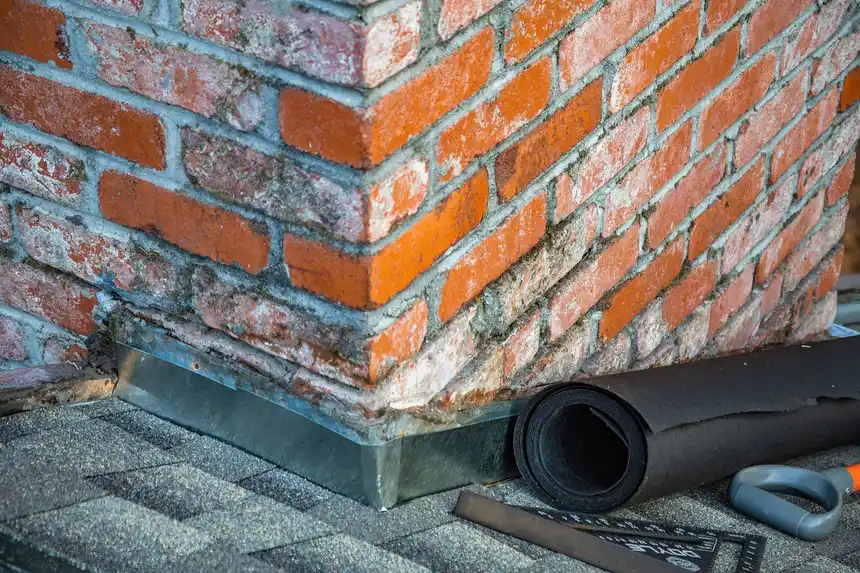
Venice SlabGuard is a state-licensed plumbing contractor working Sarasota County slabs every week. Our technicians are trained on Sewerin and RIDGID acoustic equipment and hold IAPMO certification in leak detection methodology. We work to Uniform Plumbing Code and Florida Building Code standards on every repair, and we carry OSHA safety certification for confined-space and concrete work. When we say we have seen your exact leak before, we mean it.

Our water bill doubled and we could hear water running at night. Venice SlabGuard came out the same day and found the leak under our kitchen in about two hours with a microphone and camera. They marked the spot, showed us the thermal image, and fixed the copper line the next morning. No jackhammer in the house. Worth every penny.
We had a warm spot on the floor near the hallway and two plumbers told us they would have to break the slab to find it. Venice SlabGuard used acoustic gear and found it in 90 minutes. Turned out to be a hot-water line pinhole leak. They opened one small square, repaired it, and patched it clean. Saved us thousands in flooring.
Called at 11 p.m. when we heard water under the floor. They answered, walked me through shutting off the main, and had a tech out first thing. The detection was thorough and the report was clear. We used their crew for the repair too. Honest pricing and no pressure to upsell anything.
It is a diagnostic method that finds under-slab leaks using acoustic microphones, thermal cameras, and pressure testing instead of breaking concrete. We pressurize your lines, listen for the leak through the slab, and confirm the spot with infrared imaging. Most Venice homes are diagnosed in two to four hours, and you get a marked location before any repair starts.
Yes. Acoustic and thermal tools locate the leak from the surface, so no digging is needed for detection. We grid the floor, listen with a Sewerin microphone, and confirm with a FLIR camera. The only time we cut concrete is during the repair itself, and even then we open a small access point rather than a trench.
Typical 2026 pricing in this area runs $250 to $550 for a full non-invasive detection with written report. Cost depends on home size, how many lines need testing, and whether it is an after-hours emergency call. We quote the detection fee before we arrive, and that fee is often credited toward the repair if you hire us.
It works for the vast majority of pressurized under-slab leaks in copper, PEX, and CPVC pipe. Very slow seeps under a thick slab or leaks inside a drain line can be harder to hear, so we combine acoustic, thermal, and pressure testing to cover those cases. If a leak cannot be confirmed non-invasively, we tell you before recommending any concrete work.
Not seeing your question? Our local team can help you understand urgency, scheduling and what to expect.
Ask the local team
Our full slab leak detection service covers hot and cold domestic lines, irrigation, and drain testing. It is the parent service behind every non-invasive call we run in Venice, and it includes a written report with the marked leak location.
View service
When detection confirms an active leak, our emergency slab leak repair crew can often fix it the same day. We carry copper, PEX, and CPVC pipe plus SharkBite fittings on the truck so we are not waiting on a supply run.
View service
Under-slab water leak repair follows directly from accurate detection. Because we know the exact spot, we open one small access point instead of a trench, keeping your tile and terrazzo intact across most Venice homes.
View serviceSlab leak location services are the pinpointing step: acoustic sweep, thermal confirmation, and pressure testing. This is the service that makes no dig slab leak detection Venice Florida possible without exploratory demolition.
View serviceReach us at (941) 477-1483 or info@veniceslabguard.com and we will get a tech on your leak. We answer 24/7 for active water loss and schedule standard inspections Monday through Friday, 8:00 a.m. to 6:00 p.m. Same-day appointments are common across Venice and Sarasota County.