Focused arrival windows
Useful updates and clear arrival timing.
Slab leak detection Venice FL starts with listening, not jackhammering. We use acoustic microphones and infrared cameras to trace the under-slab pipe leak, mark the exact spot on your floor, and tell you what the repair will take. If your water bill jumped, a floor spot feels warm, or you hear water running with everything shut off, call us at (941) 477-1483. Same-day slab leak locating in Venice and across Sarasota County.
Useful updates and clear arrival timing.
Review the approach and price before deciding.
Equipped vehicles and respectful cleanup.
Neighbors serving neighbors with follow-through.
Detection is a defined scope: we confirm the leak, isolate it, locate it, and hand you a repair plan. Anything beyond that, like the repair itself or a repipe, is quoted separately and only after you have the diagnosis in hand.
We shut down every fixture and appliance, watch the meter, and pressure-test the hot and cold sides separately. This confirms a leak exists and narrows it to one line. It is the step that keeps us from opening a slab for a toilet flapper.
A technician walks the slab with an acoustic leak detection microphone, listening for the hiss of escaping water. We mark the loudest points with tape and note them on a floor sketch. On tile and hardwood this gets us within a few inches of the break.
We scan the marked area with a FLIR thermal camera to confirm the temperature signature of the leak. When the acoustic hit and the thermal hit agree, we have a location worth cutting. Two methods, one answer.
You get the spot marked on your floor and photographed, plus the pressure readings from the test. If you want a second bid or you are handling the repair yourself, any contractor can work from what we leave behind.
We walk you through spot repair, under-slab reroute, or repipe, with a written price for each before any concrete is cut. You decide with real numbers in front of you, not a verbal ballpark.
Share what is happening and receive a clear next step from the local team.
Slab leak detection Venice FL is a diagnostic plumbing service that pinpoints water escaping from copper, PEX, or CPVC supply lines buried beneath a concrete slab, using acoustic listening equipment, thermal imaging, and pressure isolation instead of blind demolition. We start by shutting every fixture and watching the meter. If the dial still creeps, water is moving somewhere it should not. From there we pressurize each zone, listen through the slab with a microphone, and confirm the hot spot with an infrared camera before anyone touches a concrete saw.
Homes in Venice Gardens, Oakwood, and the older blocks near Downtown Venice sit on slabs poured decades ago, and the copper underneath has been sitting in warm, slightly acidic soil ever since. That combination eats pinhole leaks into pipe walls. Most calls we run start the same way: a high water bill, a warm floor spot, or the sound of running water at 2 a.m. with nothing on. If you are searching for slab leak detection near me Venice, that pattern is your answer. Catch it early and you are looking at a targeted repair, not a repipe.
We shut off every fixture, irrigation zone, and appliance in the house, then watch the water meter. A moving dial with nothing running confirms an active leak. This takes about 15 minutes and costs nothing but the visit. If the meter is still, we tell you so and look elsewhere, like a toilet flapper or a pool autofill.
We connect a pressure testing gauge to the system and isolate the hot and cold sides separately. That tells us which line is losing pressure and roughly how fast. A hot-side drop usually points to a copper line under the slab; a cold-side drop can mean the service line or a fitting. This step takes 20 to 30 minutes.
We walk the floor with an acoustic leak detection microphone, listening for the hiss of pressurized water escaping a pinhole. We mark the loudest points with tape. On tile and hardwood we get within a few inches; on carpet we sometimes lift a corner to get the microphone closer to the slab.
A FLIR thermal imaging camera shows the temperature signature of a hot-water leak bleeding through the slab. When the acoustic hit and the thermal hit land in the same place, we have our spot. Two independent methods agreeing is what separates a real locate from a guess.
We mark the location on the floor, photograph it, and walk you through the repair options: spot repair, under-slab reroute, or repipe. You get the diagnosis in plain language and a written price before any concrete is cut. Most detections wrap in two to three hours.
Picks up the sound of pressurized water escaping a pinhole in the pipe. We walk the slab and mark the loudest points. It is the primary locating tool on copper lines under tile.
Shows the heat signature of a hot-water leak bleeding through the slab. We use it to confirm acoustic hits and to catch quiet leaks that are hard to hear.
Charges the hot and cold sides separately and watches for a pressure drop. It confirms a leak exists and tells us which line is losing water before we start listening.
Maps where water has migrated under and around the slab. We check baseboards and flooring edges so we know how far the damage has spread before we patch.
Picks up vibration and sound from moving water. We use it alongside acoustic gear to double-check readings in noisy homes with AC units or pool pumps running.
Traces the path of the under-slab line so we know exactly where the pipe runs. It keeps us from cutting in the wrong place when the floor plan does not match the plumbing.
Used only for the repair, after the leak is located. We open the marked spot, cut out the failed pipe, and patch the slab back so the floor goes together clean.
We shut off every fixture and appliance, then pressurize the hot and cold sides separately. A dropping gauge with everything closed confirms the leak and tells us which line it is on. It is the first real step in any detection and it takes about 30 minutes.
A technician walks the slab in a grid with the microphone, listening for the hiss of escaping water. We mark the loudest points and narrow the search area. On tile and hardwood this gets us within a few inches of the break.
We scan the marked area with a FLIR camera and compare the heat signature to the acoustic hit. When both methods point to the same spot, we cut with confidence. Two independent confirmations is our standard, not a single-tool guess.
Every repair we make follows the Uniform Plumbing Code and Florida Building Code, including material ratings for under-slab burial and proper fitting types. We pull permits when the scope requires it, so the work passes inspection.

We run a full detection before closing: meter test, zone isolation, acoustic sweep, and thermal scan. You get a written report with the location and a repair estimate you can use in negotiation. You know exactly what you are buying. Either the leak is minor and priced into the deal, or you walk away from a slab that needs a repipe.
We schedule detection around the tenant, locate the leak, and give you a written repair price the same day. If it is an emergency, we isolate the line so the unit stays livable while we schedule the fix. The tenant stays, the water bill stops climbing, and you have a documented repair for your records.
We locate the new leak and compare it to the old repair. If the copper is failing in multiple places, we lay out the repipe math against another spot repair so you can decide with real numbers. You either get a second targeted repair or you end the cycle with a repipe. Either way, you are not guessing.
We work after hours or before opening, run the detection fast, and mark the spot. The repair gets scheduled around your business hours with minimal downtime. The leak is found without closing your doors, and the repair happens on your schedule.
Venice sits on sandy, slightly acidic soil, and that combination is hard on copper pipe. The mid-century slab homes around Downtown Venice and the Venice Canals have had copper in the ground for decades, and pinhole leaks are the predictable result. Newer builds out in North Venice and East Venice are mostly PEX, which fails at fittings and crimp rings instead. We adjust our locating approach to the pipe material and the floor covering, because a terrazzo floor reads differently under an acoustic microphone than carpet does. October through May is our busy stretch: snowbird rentals fill up, water usage climbs, and a leak that was a slow drip in August turns into a flooded unit by January. Summer brings its own pattern, with irrigation running daily and meter spikes that turn out to be a yard line, not a slab. We check both before we cut anything. If you need slab leak locating service Venice FL can schedule fast, call (941) 477-1483 and describe what you are seeing. Most of the time we can tell you what we are walking into before we arrive.
Older slab homes with original copper lines and mature landscaping. We watch for irrigation crossovers here, since a yard leak can mimic a slab leak on the meter.
Mid-century ranches on slab, many with terrazzo floors. Terrazzo is excellent for acoustic locating because it transmits sound cleanly, so we often get within inches.
Newer construction with PEX under the slab. Failures here are usually at fittings and crimp rings, and the leaks tend to be smaller and quieter than copper pinholes.
A mix of older homes and commercial buildings on slab. We work around business hours on the commercial side and schedule residential detection same-day when we can.
Coastal homes where salt air and sandy soil both shorten pipe life. We see faster copper corrosion here and often recommend a reroute over a second spot repair.
This soil eats copper pipe walls from the outside, which is why pinhole leaks are so common in older Venice slab homes. It also means a small leak can wash out soil quickly, so early detection matters.
When the water table is high, a slab leak can go unnoticed longer because the ground is already wet. We rely more on acoustic and pressure testing in these areas than on visible moisture.
Rental occupancy spikes and water usage climbs, so leaks that were slow in summer show up fast. We staff up for same-day detection through the winter months.
Meter spikes in summer are often irrigation, not slab. We isolate the irrigation zones first so you are not paying for a slab locate when the problem is in the yard.
A homeowner in Venice Gardens saw the water bill jump from $60 to $180 in one cycle. The hallway floor felt warm near the bathroom door, and the meter kept spinning with everything shut off. They had gotten one bid to open the slab in three places to hunt for it.
We ran the meter test and isolated the hot side, then swept the hallway with the acoustic microphone. The leak located under the tile within four inches of the bathroom threshold. We opened one 2-by-2-foot section, replaced the pitted copper, pressure-tested, and patched. The next bill came in at $62.
Maintenance: We recommended a yearly meter check and watching for warm spots. On a 1960s copper system, catching the next pinhole early is the difference between a spot repair and a repipe.
A newer home in North Venice had a musty smell in the master closet and moisture along the baseboard. The water bill was only slightly high, so the homeowner thought it was a roof or AC issue. A home inspector flagged moisture under the slab.
Pressure testing showed a slow drop on the hot side. Acoustic locating was quiet, so we went to thermal imaging and found a small hot spot near the closet wall. The failure was a crimp ring on a PEX fitting. We cut it out, replaced the fitting with an Uponor coupling, and pressure-tested the line. The moisture dried out over a week.
Maintenance: We told them to keep an eye on the same closet corner each season. PEX fittings fail slowly, so early moisture is the tell.
A property manager called on a Friday afternoon about a tenant reporting water pooling at the base of a kitchen wall in a Downtown Venice rental. The unit was booked for the weekend and could not sit vacant. The meter was spinning fast.
We isolated the cold side and located the leak under the kitchen tile within an hour of arriving. The line was cut and repaired the same evening, and we pressure-tested before patching. The tenant stayed in the unit, and the manager had the repair documented for the owner by Monday.
Maintenance: We set the property up on a seasonal meter check before snowbird season. On rentals, a monthly meter reading catches leaks before a tenant ever notices water.
Most slab leaks announce themselves long before the floor cracks. Here are the problems Venice homeowners call us about, and what happens if they wait.
A steady under-slab leak can waste thousands of gallons a month and push you into the highest tier on every bill until it is found. Waiting a full cycle costs more than the detection. We run the meter test and zone isolation first, which confirms the leak and points to the line. From there, acoustic and thermal locating pinpoints the break so the repair is a spot fix, not a slab-wide excavation.
A hot-water line leaking under the slab heats the concrete above it. The spot spreads as the leak erodes more soil, and the slab base softens. Left long enough, you get cracking and uneven flooring. Thermal imaging confirms the hot-side leak in minutes, and acoustic locating narrows it to a few inches. We mark it, quote the repair, and fix the line before the damage reaches the foundation.
That noise is pressurized water escaping a pinhole in copper or a failed fitting. It will not stop on its own, and the longer it runs, the more soil washes out from under the slab. Acoustic locating is built for exactly this. We walk the floor, find the loudest point, confirm with pressure testing, and mark the spot. Most of these turn out to be copper pinhole leaks we can repair in a day.
Water under the slab wicks into walls and flooring. You get musty odors, lifting tile, and eventually mold. By the time you smell it, the leak has usually been running for weeks. We use a moisture meter to map how far the water has traveled, then locate the source with acoustic and thermal tools. You get the leak fixed and a clear picture of what needs to dry out.
$250 - $500 for detection; repairs quoted separately from $450 for a spot fix up to $6,000+ for a whole-house repipe
Detection is a flat fee, and typical 2026 pricing in this area runs $250 to $500 depending on how many zones we isolate and how much flooring we need to move. The locate itself is the cheap part. Breaking concrete in the wrong place is what gets expensive. We quote the fee before we start, and if we find no leak, you pay the diagnostic and we stop. Repair pricing is separate and written down before any cutting begins. If you want leak detection services Venice homeowners can budget for, call and we will give you the number on the phone.
The locate costs a fraction of what unnecessary demolition runs. One wrong cut in a tile floor means matching discontinued tile, patching, and days of downtime. Paying for an accurate locate first is the cheapest part of the whole job.
A single-story home with one bathroom is quick to isolate. Larger homes with multiple manifolds, irrigation, and pool lines take longer to rule out. Each additional zone adds time to the pressure testing phase.
Tile, terrazzo, and hardwood transmit sound well and need no prep. Carpet sometimes needs a corner lifted to get the microphone closer to the slab. Thick padding or floating floors can add 15 to 30 minutes to the sweep.
Hot-side leaks are easier because thermal imaging picks up the heat signature. Cold-side leaks are quieter and rely more on acoustic listening and pressure isolation, which can take longer to confirm.
Crawlspace access, locked utility rooms, and furniture in the way all add time. We ask you to clear the floor area before we arrive, which keeps the visit short and the fee at the low end of the range.
Nights, weekends, and holidays carry a higher rate because we are pulling a technician off the schedule. If the leak is not actively flooding, waiting for a weekday morning usually saves you money.
Our water bill doubled in one cycle and I could not figure out why. Venice SlabGuard came out the next morning, ran the meter test, and had the leak located under the hallway tile by lunch. They marked it, showed me the thermal image, and quoted the repair on the spot. One cut, one patch, and the bill went back to normal.
I manage several rentals near the Venice Canals and slab leaks are a recurring headache in these older homes. These guys locate fast and they do not tear up more floor than they have to. Last call was a warm spot in a tenant's kitchen, found and repaired in a day. Tenants stayed put, no vacancy.
We heard water running at night with everything shut off. They pressure-tested the lines, confirmed it was the hot side, and used the acoustic microphone to pin it down within a few inches. Turned out to be a pinhole in the copper. They repaired it and pressure-tested again before patching. No more noise, no more mystery.
Detection works by isolating the plumbing zones, then listening and looking for the leak. We shut off the fixtures, watch the meter, pressure-test the hot and cold sides separately, then sweep the floor with an acoustic microphone and confirm the spot with a FLIR thermal camera. Two methods agreeing is what gives you a location you can trust. The whole process runs two to three hours on a typical Venice slab home.
Expect $250 to $500 for a full detection in 2026, depending on how many zones we have to isolate and how much flooring we need to move. Detection is a flat fee quoted up front, and if we find nothing, you pay that and we stop. The locate almost always costs less than the extra concrete you would break guessing.
Yes. Acoustic and thermal locating are non-invasive, and on most Venice homes we never open the slab to find the leak. We listen through tile, terrazzo, and hardwood, and we lift carpet corners when we need a closer read. The only time we cut is the repair itself, and by then we know exactly where to cut.
We do, seven days a week. Venice SlabGuard runs detection across Sarasota County, from Downtown Venice and the Venice Canals out to Venice Gardens, North Venice, and Venice West. Call (941) 477-1483 and describe what you are seeing: warm floor, high bill, running-water sound. That is usually enough for us to tell you what we are walking into.
Not seeing your question? Our local team can help you understand urgency, scheduling and what to expect.
Ask the local team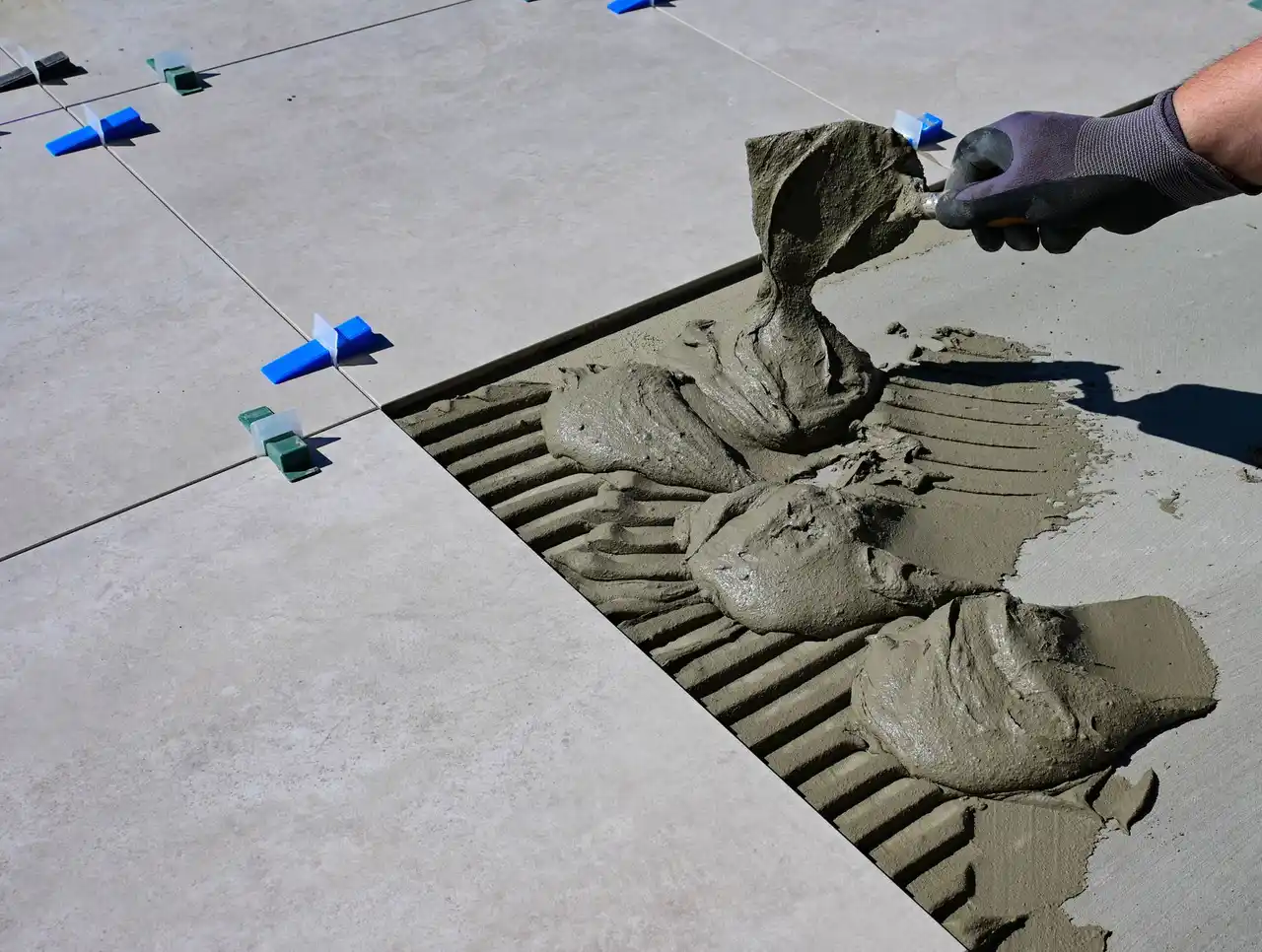
When detection confirms an active leak and water is spreading, we move straight into emergency repair. We isolate the line, stop the flow, and get the slab opened and patched fast, including nights and weekends, so a Venice rental does not sit wet overnight.
View service
Detection tells us where the under-slab pipe leak is; this service fixes it. We open the slab at the marked spot, cut out the failed section of copper or PEX, and splice in new pipe with SharkBite or Uponor fittings, then pressure-test before the concrete goes back.
View service
Sometimes you only need the locate, not the repair. If you are handling the repair yourself or getting bids from another contractor, we will mark the spot, photograph it, and hand you the pressure readings so anyone can pick up where we left off.
View service
Our default approach on any finished floor. Acoustic microphones and infrared cameras read through tile, terrazzo, and hardwood, so we locate the leak without pulling up flooring. On most Venice homes the only hole in the slab is the one the repair needs.
View serviceReach us at (941) 477-1483 or info@veniceslabguard.com and we will get a tech on your leak. We answer 24/7 for active water loss and schedule standard inspections Monday through Friday, 8:00 a.m. to 6:00 p.m. Same-day appointments are common across Venice and Sarasota County.