Focused arrival windows
Useful updates and clear arrival timing.

Residential Slab Leak Repair in Venice starts with finding the exact break under your concrete, not guessing at it. We use acoustic leak detection microphones and thermal imaging cameras to pinpoint under-slab pipe leaks in homes across Sarasota County, then repair or reroute the line with minimal concrete removal. If your water bill jumped or a floor spot feels warm, call (941) 477-1483.
Useful updates and clear arrival timing.
Review the approach and price before deciding.
Equipped vehicles and respectful cleanup.
Neighbors serving neighbors with follow-through.
Every job includes detection, repair, pressure testing, and a concrete patch. We tell you upfront if your situation needs something beyond that, like a full reroute or repipe, so there are no surprises on the invoice.
Acoustic microphone, thermal imaging camera, and pressure testing gauge to confirm the leak and mark its location on your slab. You get the readings and a clear explanation before we cut anything.
We open a small, measured section with a concrete saw and jackhammer, usually two to three square feet. We protect surrounding flooring and keep the cut tight so the patch blends in.
Failed copper, PEX, or CPVC sections get repaired or replaced with matched or upgraded material, including Uponor PEX, SharkBite fittings, and Mueller or NIBCO components where appropriate.
Before the concrete goes back, we isolate and pressure test the repaired line. If it does not hold, we keep working. You get documented readings showing the repair is sound.
We backfill, pour a concrete patch, and clean the work area. You get a walkthrough of what was done, where the repair is, and how to watch for any follow-up issues.
Our repair carries a written warranty. We document the location, materials, and test results so you have a record for insurance, resale, or future plumbing work.
Share what is happening and receive a clear next step from the local team.
Residential Slab Leak Repair in Venice is the process of locating, exposing, and fixing a pressurized water line that has failed beneath a home's concrete slab. Most Venice homes sit on slab-on-grade foundations, so the supply lines run directly under the floor. When copper pipe corrodes or a fitting fails, water escapes into the soil and the concrete. We confirm the leak with a pressure testing gauge, map the line with a pipe locator, then open only the concrete we need to reach the break.
Venice sits in Sarasota County, where sandy soil, high water tables, and humid summers put constant stress on under-slab plumbing. Older homes with original copper pipe are the most common call we get, especially in Venice Gardens and Oakwood. A home slab leak repair Venice FL homeowners can trust starts with accurate detection, because breaking concrete in the wrong spot wastes money and never fixes the actual leak. We test before we cut.
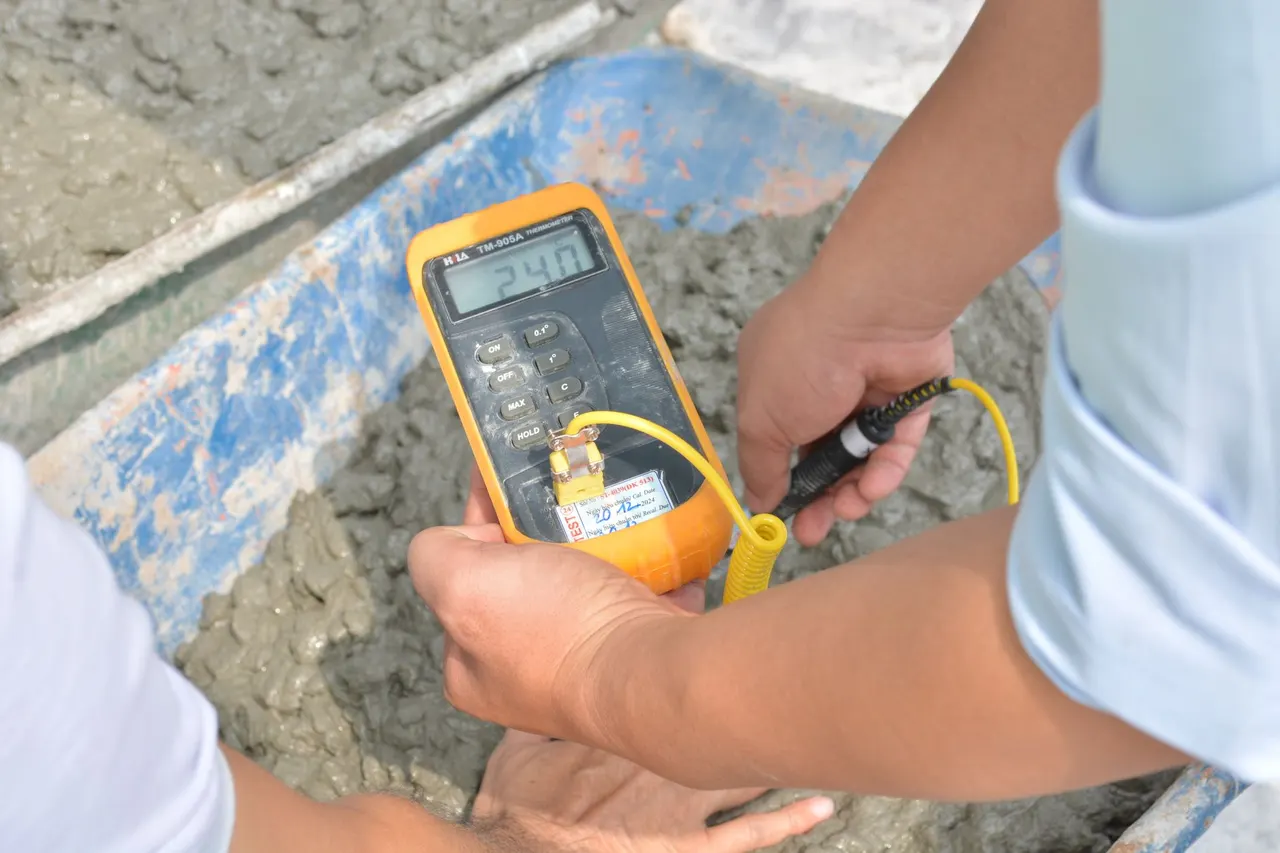
You call (941) 477-1483 and describe what you are seeing: a high water bill, a warm spot, water pooling on the floor, or the sound of running water with everything off. We ask a few questions, give you a same-day window, and tell you what to shut off before we arrive.
We pressurize the system with a testing gauge, then sweep the slab with an acoustic leak detection microphone and a FLIR thermal imaging camera. A Sewerin or RIDGID locator confirms the pipe path. This step usually takes 45 to 90 minutes and tells us exactly where to cut.
We show you the readings, mark the floor, and explain whether we can spot-repair the failed section or whether rerouting the line makes more sense. You get upfront pricing before any concrete is opened. No surprises, no hourly meter running while you decide.
Using a concrete saw and jackhammer, we open a controlled section of slab, expose the pipe, and repair or replace the failed run. Copper gets replaced with PEX or CPVC where code allows. Most access cuts are two to three square feet, and the repair itself takes two to four hours.
Before we close anything, we pressure test the line to confirm it holds. Then we backfill, pour a concrete patch, and clean the site. You get a written warranty on the repair and a walkthrough of what we did. Total time on site is typically one day.

Listens for the hiss of pressurized water escaping under concrete. It is the fastest way to confirm an under-slab pipe leak and narrow the location to within a few inches.
Shows temperature differences on the slab surface. Hot-water leaks read as warm streaks, cold leaks as cool spots, which tells us which line failed before we cut.
Isolates sections of the plumbing system and measures pressure drop. It proves the leak exists, confirms it is on the supply side, and verifies the repair holds before we close the slab.
Maps the path of under-slab pipe so we know exactly where the line runs. Accurate mapping means a smaller access cut and no damage to adjacent lines.
Lets us look inside drain lines to rule out a drain clog vs slab leak diagnosis. If the problem is a blocked drain rather than a supply leak, we catch it before opening concrete.
Opens a controlled, measured section of slab for the repair. We keep cuts to two or three square feet in most cases, protecting surrounding tile and flooring.
Maps how far water has spread under flooring and confirms the slab is drying after repair. Readings above 20 percent tell us moisture is still migrating and needs attention.
We close off sections of the system and watch the gauge for drop. This confirms whether the loss is on the hot side, cold side, or a specific branch line, and it is how we verify the repair before backfilling.
We never trust a single tool. Acoustic listening finds the sound; thermal imaging confirms the temperature signature. When both agree, we cut. That cross-check is why our access cuts stay small.
Where the pipe run allows, trenchless pipe lining equipment rehabilitates a section from the inside with epoxy pipe lining. Less excavation, less concrete removal, and a faster return to normal for your floor.
Every repair follows the Uniform Plumbing Code and Florida Building Code, using approved materials like Uponor PEX, CPVC pipe, and SharkBite fittings. Code-correct work protects you at inspection and resale.
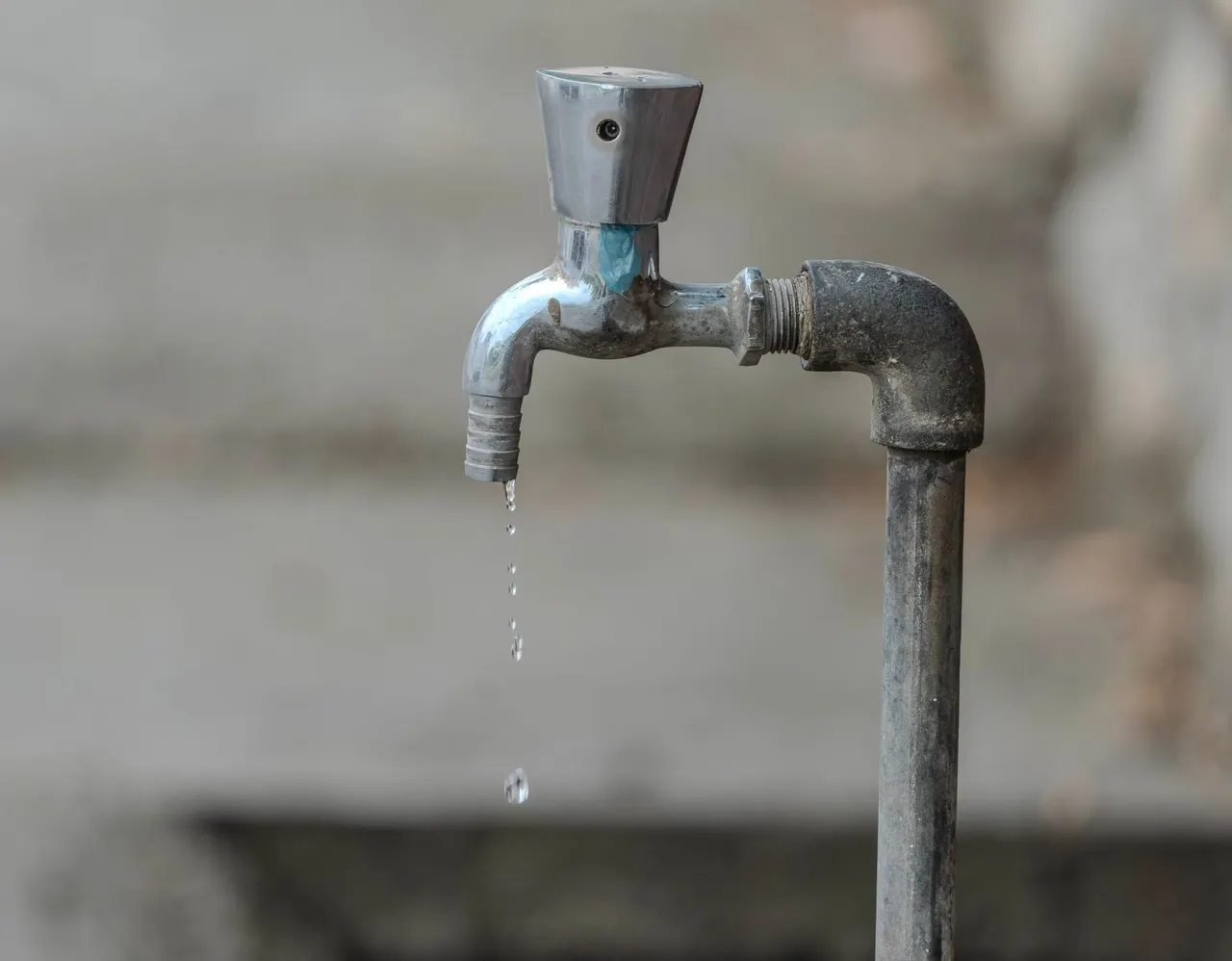
We run thermal imaging and acoustics to confirm a hot-water slab leak, then spot-repair the failed copper section and pressure test it. If corrosion is widespread, we quote a reroute so you are not back in six months. The floor cools within hours, the water heater stops overworking, and you have a warrantied repair with documented test results.
We schedule a detection visit, isolate the supply side with a pressure testing gauge, and locate the under-slab leak. Repair happens the same day, and we check the slab with a moisture meter before closing up. Usage returns to normal, no mold develops while the unit is empty, and the repair is documented for the property manager.
We take the emergency call, walk them through the main shutoff, and dispatch a technician. Detection confirms the break, and we repair the line the next morning with a small concrete access cut. The loss stops the same night, the floor stays dry, and the full repair is finished within 24 hours of the call.
We provide slab leak location services and pressure testing with written results. If a repair is needed, we complete it and document the materials and test readings for the file. The buyer gets a verified, repaired system, the seller gets a clean record, and the closing moves forward without a re-inspection delay.
Venice sits on sandy Sarasota County soil with a high water table, and that combination is hard on under-slab plumbing. Copper pipe that has served a home for decades corrodes faster here, and the humid climate keeps slabs damp long after a leak starts. Most of the homes we work on were built between the 1960s and 1980s with original copper under the slab, which is why pinhole pipe leaks and fitting failures are our most common calls. We also see slab leaks after heavy summer rain, when saturated soil shifts and stresses buried lines. For a home slab leak repair Venice Florida job, we plan access around your flooring, keep cuts small, and pressure test before the concrete goes back. If you need residential slab leak repair in Venice FL near me service, we cover Downtown Venice, the Venice Canals, Venice Gardens, North Venice, and East Venice with same-day detection windows. Winter is our busiest season because seasonal residents return to find a spike in the water bill, but leaks do not wait for a convenient month.
Many homes here date to the 1970s with original copper under the slab. We see recurring pinhole leaks in these builds and often recommend a reroute after the second repair.
Proximity to water and a high water table mean saturated soil around slabs. Leak detection here often confirms an underground water leak within a few feet of the canal-side walls.
Older, tighter lots with mature landscaping. Access cuts need care around original tile and terrazzo floors, so precise detection matters more than speed.
Newer construction mixed with 1980s builds. We handle both CPVC-era failures and warranty-adjacent repairs, and we document everything for the homeowner file.
Ground stays saturated, so a small under-slab leak spreads fast and can erode soil under the foundation. Early detection keeps the repair small.
Slabs stay damp longer, which slows drying after a repair and raises mold risk. We use a moisture meter to confirm the slab is drying before we call the job done.
Corrosion and pinhole leaks are common. We plan repairs that account for the condition of the surrounding pipe, not just the failed section.
Leaks run unnoticed for months while a home is empty. We prioritize same-day detection for returning snowbirds so the loss stops before it damages flooring.
A homeowner noticed the water bill climb $140 over two months with no change in habits. A warm spot had formed near the hallway. The original 1974 copper line had a pinhole leak under the slab, and moisture was spreading toward the bedrooms.
We located the leak with acoustics and thermal imaging, opened a two-square-foot section, replaced the failed copper with PEX, and pressure tested the line. The patch was poured the same day, and the next bill dropped back to the normal range.
Maintenance: Watch for new warm spots and check the bill each month. With original copper, plan on a whole-house repipe if a second leak appears within a year.
A 1968 home had two slab leaks in eighteen months, both on the hot-water side. The owner was facing a third concrete cut and worried about the tile floor. Thermal imaging confirmed another failing section under the kitchen.
Instead of cutting again, we rerouted the hot-water line through the attic with Uponor PEX, abandoned the under-slab run, and pressure tested the new system. No further concrete work was needed, and the kitchen floor stayed intact.
Maintenance: Keep the attic line insulated and have it inspected every few years. The abandoned slab line stays capped and documented for future reference.
Water was coming up through the grout at 11 p.m. The homeowner shut off the main after our phone guidance, but the slab was already saturated. A pressure test the next morning confirmed a failed cold-water line under the living room.
We repaired the line, pressure tested it, and patched the slab within 24 hours of the call. A moisture meter check two days later showed the slab drying normally, and no mold developed in the affected area.
Maintenance: Run a moisture check after any water event and keep the main shutoff accessible. If the bill spikes again, call for detection before assuming it is usage.
Most calls start with one of these symptoms. Each one points to water escaping under your slab, and each one gets worse the longer it runs.
A hidden under-slab leak can waste thousands of gallons a month and quietly drain your budget while the soil under the foundation saturates. We pressure test the system and scan the slab with acoustic and thermal tools to confirm the leak, then repair the failed section. Most homeowners see usage return to normal within one billing cycle after the fix.
Warm spots mean hot water is escaping under the slab, so your water heater works harder and you pay to heat the ground beneath your home. We trace the hot-water line with a FLIR thermal imaging camera, confirm with acoustics, and repair or reroute the line. The floor cools, the heater stops overworking, and the loss stops at the source.
Standing water under flooring feeds mold fast in Florida humidity and can warp laminate, lift tile, and soften drywall at the baseboards. We locate the source, stop the leak, and check the slab with a moisture meter to map how far water spread. Once the line is repaired and tested, the area can dry properly instead of staying wet under the surface.
That hiss is pressurized water escaping a pipe under the slab. Left alone, it erodes soil, shifts the foundation, and can crack tile across the room. An acoustic leak detection microphone pinpoints the break within inches. We open one small section, repair the pipe, pressure test it, and patch the concrete the same day in most cases.
$250 - $3,800 depending on scope
Typical 2026 pricing in the Venice area runs $250 to $450 for detection alone and $1,200 to $3,800 for the full repair, depending on access and pipe condition. A simple copper repair under a garage slab sits at the low end. A reroute through walls, a whole-house repipe, or a repair under finished tile pushes higher. We quote the job before we cut, and the number does not move unless you approve new work. For residential slab leak fix Venice homeowners can budget for, we give you the range up front.
Fixing a slab leak stops the water loss, protects your foundation, and prevents mold. Most homeowners recover the repair cost within a few months of lower water bills, and a documented, warrantied repair protects resale value.
A leak under a garage or unfinished floor is straightforward. A leak under finished tile, terrazzo, or hardwood takes more care and time to protect the surrounding surface, which raises the labor cost.
Copper, PEX, CPVC, and PVC each repair differently. If the surrounding pipe is also corroded, a spot repair may not last, and a reroute or repipe becomes the better value even though it costs more today.
A single spot repair is the cheapest option. Rerouting the line overhead or through walls costs more but avoids repeated concrete cuts on aging pipe, which often saves money over a few years.
Thicker slabs and post-tension or reinforced concrete take longer to open and patch. We check before quoting so the access cost is accurate, not a guess.
After-hours emergency calls carry a higher rate because we roll a technician immediately. Scheduled daytime detection and repair keeps the cost at the standard rate.
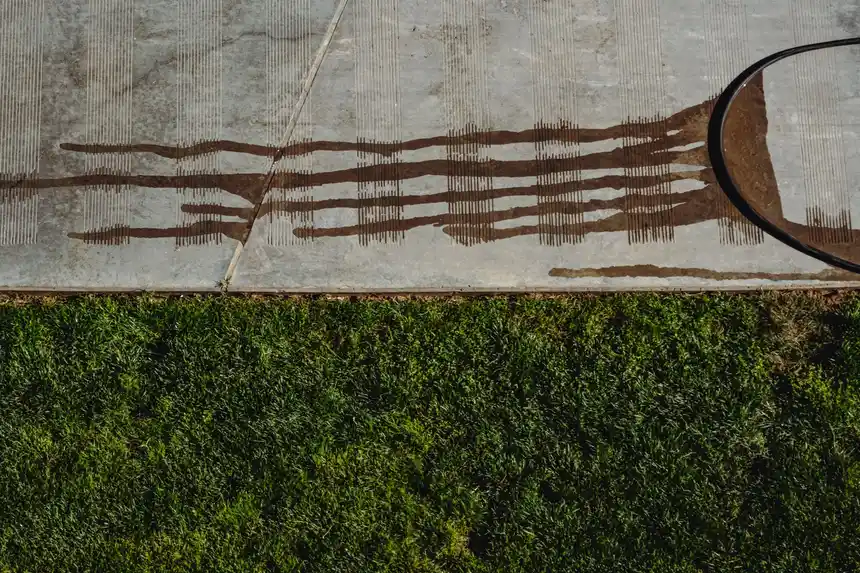
Venice SlabGuard works on slab leaks every week, and that repetition matters. We know how Venice-area builders ran supply lines in the 1970s and 1980s, where copper tends to fail first, and how sandy Sarasota County soil shifts around a slab. Our technicians hold Florida licensed plumber credentials and work to the Uniform Plumbing Code and Florida Building Code on every repair. We carry IAPMO certification and follow OSHA safety standards on every concrete cut. That means the repair is not just dry today, it is code-correct for resale and inspection.
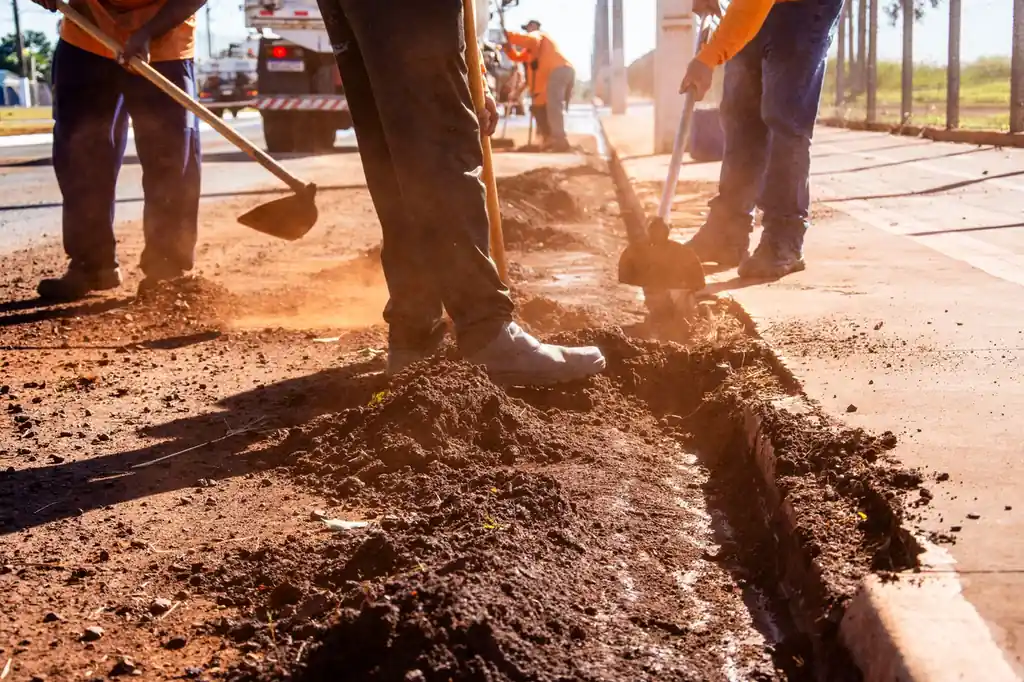
Our water bill doubled in one month and we could not figure out why. Venice SlabGuard came out, used a microphone and a camera on the slab, and found a pinhole leak in the copper under the hallway. They opened one small square, fixed it, and patched it the same day. Bill went back to normal the next cycle.
Warm spot on the kitchen tile for weeks. I figured it was the sun until I called. They confirmed a hot-water slab leak with thermal imaging, rerouted the line through the attic instead of cutting my whole floor, and pressure tested it before they left. Clean work, fair price, no mess left behind.
Called at 11 p.m. with water coming up through the grout. They walked me through shutting off the main, had a tech out within the hour, and stopped the leak that night. Came back the next morning to finish the repair and patch. I have used three plumbers in Venice and these folks are the only ones I will call again.
Most residential slab leak repairs in Venice run $1,200 to $3,800 in 2026, depending on access difficulty, pipe material, and whether we spot-repair or reroute the line. Detection alone is $250 to $450. A simple copper repair under a garage slab sits at the low end; a reroute through walls or a repipe pushes higher. We give you the number before we cut.
Yes. We repair slab leaks in homes across Venice, including Venice Gardens, Oakwood, East Venice, and the Venice Canals area. We handle copper pipe, PEX pipe, CPVC pipe, and PVC pipe under slab, plus foundation water leak repair and under-slab pipe rerouting. Call (941) 477-1483 and we will schedule a same-day detection visit.
Plan on one day. Detection takes 45 to 90 minutes, the concrete cut and pipe repair run two to four hours, and the pressure test and patch add another hour or two. Larger reroutes or whole-house repiping can stretch to two or three days. We tell you the realistic window when we quote the job.
Venice SlabGuard does. We are a state-licensed plumbing contractor based in Venice, Florida, working Sarasota County and the surrounding ZIP codes 34285, 34292, and 34275. We handle detection, repair, rerouting, and repiping in-house, so you are not bounced between a leak locator and a separate repair crew.
Not seeing your question? Our local team can help you understand urgency, scheduling and what to expect.
Ask the local team
Every residential slab leak repair in Venice starts here. We pressurize the system and sweep the slab with acoustic and thermal tools to find the exact break before any concrete is opened. Detection is available as a standalone visit if you just need answers.
View service
Water pooling on your floor at midnight is an emergency. We run 24/7 calls across Venice, walk you through the shutoff, and get a technician out to stop the loss. Emergency repair follows the same detection-first process, just faster.
View service
This is the core of what we do. We expose the failed section of under-slab pipe, repair or replace it, pressure test, and patch the concrete. Most Venice homes need one small access cut rather than a full floor tear-out.
View serviceIf you need a precise location before another contractor opens your floor, we provide it. Using a pipe locator and electronic leak detection wand, we mark the pipe path and the leak point on your slab so the repair crew cuts in the right place.
View serviceReach us at (941) 477-1483 or info@veniceslabguard.com and we will get a tech on your leak. We answer 24/7 for active water loss and schedule standard inspections Monday through Friday, 8:00 a.m. to 6:00 p.m. Same-day appointments are common across Venice and Sarasota County.