Focused arrival windows
Useful updates and clear arrival timing.
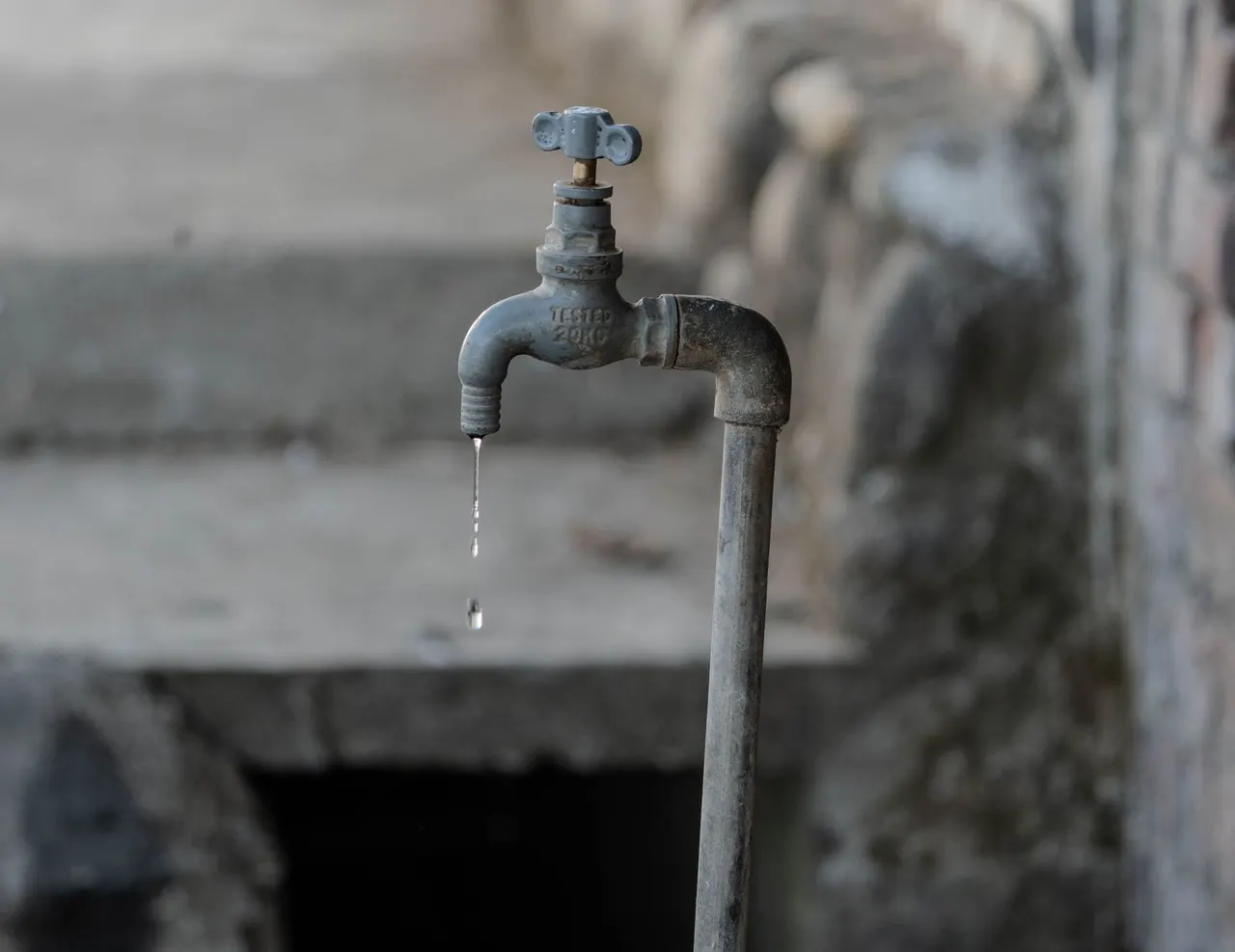
When a foundation water leak repair Venice FL homeowners trust is what you need, Venice SlabGuard is the crew to call. We handle foundation leak repair Venice FL for slab-on-grade homes across Sarasota County, from Downtown Venice to Venice Gardens. Warm spots on the floor, a water bill that jumped $80 in one month, or water pooling near the baseboards all point to a leak under the slab. We locate it, fix it, and confirm the repair with a pressure test before we pack up.
Useful updates and clear arrival timing.
Review the approach and price before deciding.
Equipped vehicles and respectful cleanup.
Neighbors serving neighbors with follow-through.
Every foundation water leak repair Venice FL job we take on includes the full scope from detection through cleanup. We do not hand off parts of the job to other crews. Here is what is covered, and what we can add on if your situation calls for it.
We use acoustic microphones, thermal imaging, and pressure testing to locate the leak before we cut. Detection is included in every repair quote. You get a written location and an explanation of what we found before any concrete is touched.
We cut the smallest access hole the repair allows, usually 18 by 18 inches or less. Drop cloths protect your flooring, and we use a concrete saw with dust control to keep the mess contained. Most cuts take 20 to 30 minutes.
We replace the failed section with copper, PEX, or CPVC to match your system. If the surrounding pipe is also compromised, we replace a longer run. All fittings, clamps, and solder are included in the quoted price.
Before the slab is patched, we pressurize the repaired line to 80 psi and hold it. You see the gauge. If it drops, we fix the problem before closing the hole. This step is non-negotiable on every job we do.
We fill the access hole with concrete patch and smooth it to match the surrounding surface. All dust and debris are cleaned up before we leave. You get a written warranty and a follow-up call to confirm the repair is holding.
Share what is happening and receive a clear next step from the local team.
Foundation water leak repair Venice FL is the process of locating a broken or corroded pipe beneath a concrete slab, exposing it with minimal cutting, and restoring the line so water stops moving through the soil under your home. Most Venice homes sit on slab-on-grade foundations, so the supply and drain lines run directly under the concrete. When a copper pipe corrodes or a fitting fails, water escapes into the soil and eventually shows up as a warm floor spot, a spike in your water bill, or a damp patch at the base of a wall. We use acoustic leak detection microphones and thermal imaging cameras to pinpoint the break before we ever touch the slab.
Local conditions make this a common call in Venice. The sandy soil and high water table near the Venice Canals and Marina Peninsula put constant pressure on under-slab pipes, and older copper lines in homes built before the 1990s are prone to pinhole leaks and corrosion. If you have been searching for foundation water leak repair near me Venice and keep coming up with crews that only do new construction, we are the team that specializes in diagnosing and fixing existing slab leaks. We also handle the rerouting and repiping work that often follows a failed line.

You call (941) 477-1483 or book online. We ask a few questions about what you are seeing, a warm floor spot, a high water bill, or water pooling, and we schedule a same-day or next-day visit. For active flooding or a slab leak that is soaking your carpet, we dispatch 24/7.
Our technician arrives with an acoustic leak detection microphone, a FLIR thermal imaging camera, and a pressure testing gauge. We isolate the system, pressurize it, and listen for the leak. Most detections take 45 to 90 minutes. You get a written location and a clear explanation before any concrete is cut.
We mark the spot, lay drop cloths, and cut a small access hole with a concrete saw. The broken section is removed and replaced with new copper, PEX, or CPVC pipe and fittings. A typical repair takes two to four hours from cut to patch. We keep the hole as small as the repair allows.
Before we patch the concrete, we pressurize the repaired line to 80 psi and hold it. If the gauge does not move, the repair is sound. If it drops, we find the problem and fix it right then. You see the test results yourself. No guessing, no hoping it holds.
We fill the access hole with concrete patch, match the surrounding surface as closely as possible, and clean up every bit of dust and debris. You get a written warranty and a follow-up call a few days later to confirm the floor is dry and the water bill has settled back to normal.
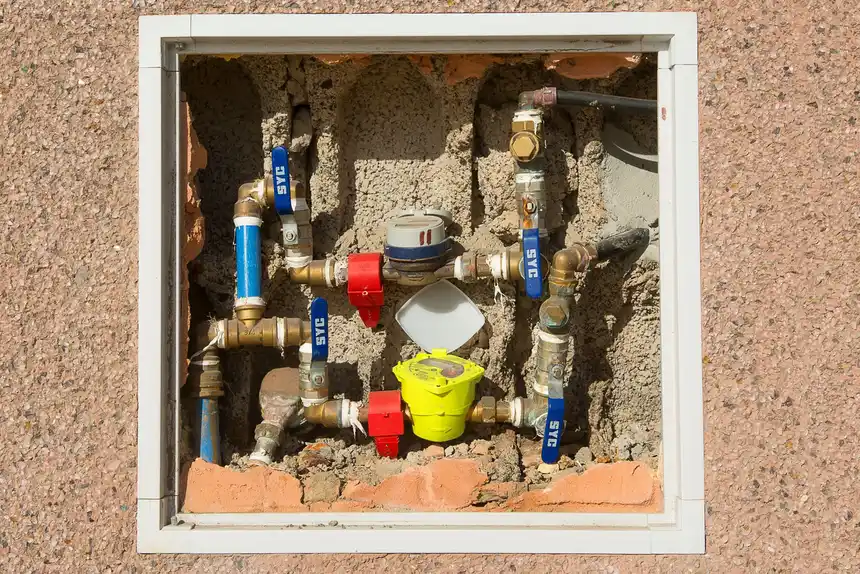
Listens for the sound of pressurized water escaping a pipe under the slab. It works through concrete and tile and is the fastest way to narrow a leak to a specific spot before we cut.
Shows temperature differences on the floor surface. Warm spots from a hot-water leak or cool spots from a cold line show up clearly, helping us confirm the leak location alongside acoustic detection.
Isolates each zone of your plumbing system and pressurizes it to 80 psi. If the gauge drops, there is a leak. We also use it to confirm every repair is sound before patching the slab.
Traces hidden water lines and detects moisture without cutting. We use it to rule out false positives and confirm the leak path before any concrete is opened.
Cuts a small access hole in the slab once the leak is located. We use dust control and drop cloths to keep the work area clean. Most access holes are 18 by 18 inches or smaller.
Inspects drain lines from the inside to check for cracks, root intrusion, or blockages. It helps us tell the difference between a slab leak and a drain clog before we recommend a repair.
We shut off each zone of your plumbing and pressurize it independently. If a zone loses pressure, the leak is in that line. This method narrows the search area quickly and is the first step on every job.
Water escaping a pressurized pipe makes a distinct sound. Our acoustic microphone picks it up through concrete and flooring. We move the microphone in a grid pattern until the sound is loudest, which marks the leak location.
A FLIR camera maps temperature differences across the floor. Hot-water leaks show as warm spots, and cold-water leaks show as cool spots. We use this alongside acoustic detection to confirm the location before cutting.
For certain drain line leaks, we can restore the pipe from the inside with epoxy pipe lining. This avoids cutting the slab entirely. We evaluate whether your line is a candidate and explain the pros and cons before starting.
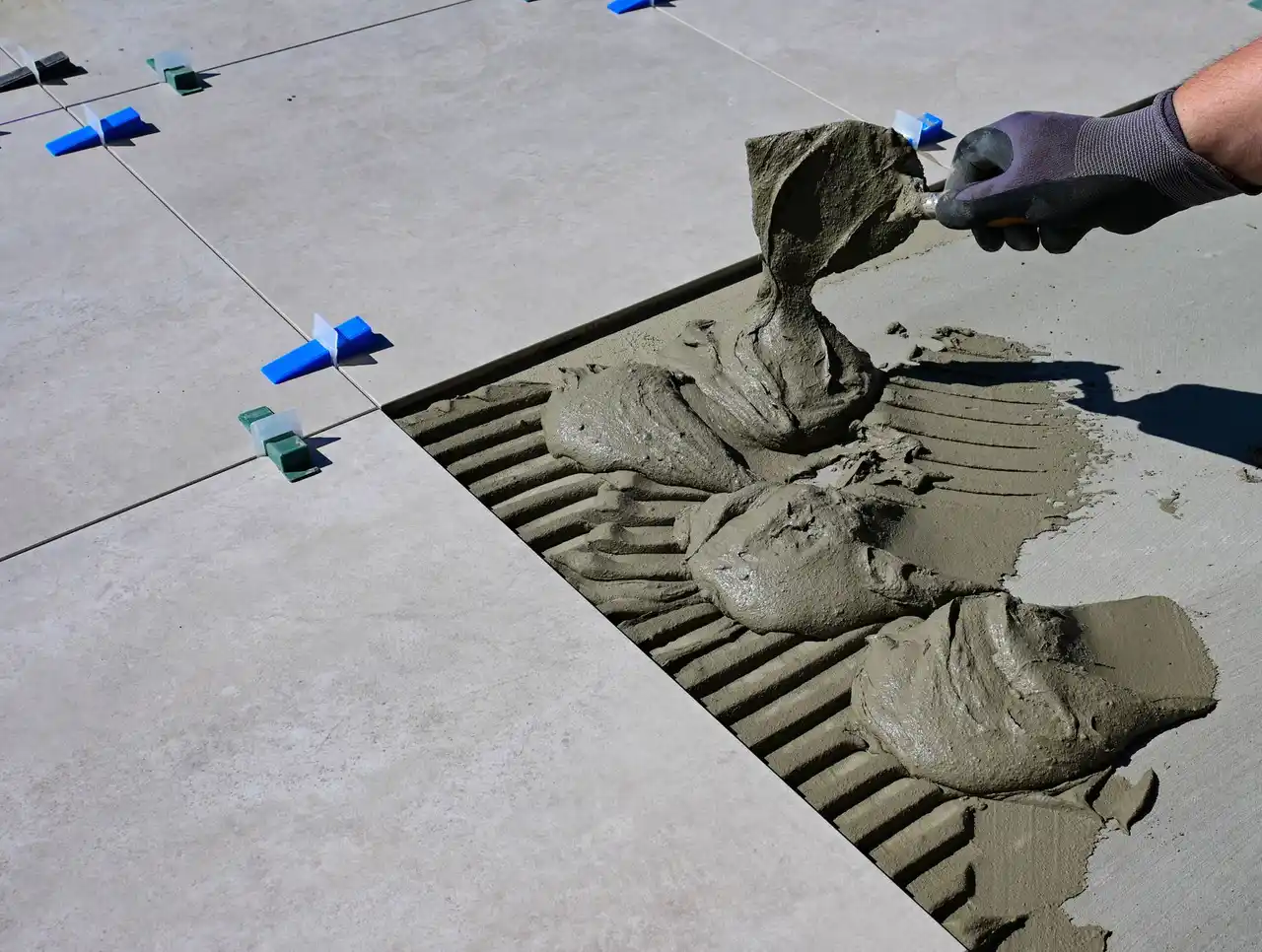
We schedule a same-day or next-day detection visit. Our technician isolates the system, pressure-tests each zone, and uses acoustic equipment to locate the leak. You get a written location and a repair quote before any concrete is cut. The leak is repaired, the water waste stops, and your next bill returns to normal. Most high-bill jobs are completed in a single visit.
We confirm the hot-water line leak with thermal imaging, cut a small access hole, and replace the failed section with copper or PEX. The repair is pressure-tested at 80 psi before we patch the slab. The warm spot disappears, the floor is dry, and the repair is warrantied. Most warm-floor repairs take two to four hours from start to finish.
We use an acoustic leak detection microphone to pinpoint the leak through the concrete. Once located, we cut a minimal access hole, repair the pipe, and pressure-test the line before patching. The sound of running water stops, the leak is fixed, and the soil under your foundation stops eroding. You get a written warranty on the repair.
We evaluate the entire under-slab system and recommend whether targeted repairs or whole-house repiping makes more sense. If repiping is the better option, we run new PEX lines through the attic and abandon the failing pipes. You stop chasing leaks one at a time. A whole-house repipe typically resolves recurring slab leaks for good and restores consistent water pressure.
Venice sits on sandy soil with a high water table, especially near the Venice Canals and Marina Peninsula. That combination puts constant pressure on under-slab pipes. Homes built before the 1990s often have original copper lines that develop pinhole leaks, while newer construction sometimes sees failed PEX or CPVC fittings. The Florida Building Code and Uniform Plumbing Code govern how we repair and reroute lines, and we pull permits when required. In the summer rainy season, the water table rises and can mask or worsen an existing leak. We see a spike in calls from June through September. During the drier winter months, leaks that were hidden by saturated soil become more obvious as water bills climb. If you need foundation leak repair Venice Florida homeowners rely on, we know the local failure patterns and the soil conditions that cause them. We also handle foundation water leak repair 24/7 Venice FL for active leaks that cannot wait until morning.
The high water table near the canals puts extra stress on under-slab pipes. Homes here often need pressure testing more frequently to catch leaks early.
Many homes in Downtown Venice were built before 1980 and still have original copper lines. Pinhole leaks and corrosion are common in this area.
A mix of older and newer construction. We see both copper corrosion in older homes and failed PEX fittings in newer builds.
Newer development with PEX and CPVC systems. When fittings fail, the leaks are often under the slab in the kitchen or bathroom areas.
Saturated soil can hide a leak and make detection harder. We use pressure testing and acoustic equipment to find the leak even when the ground is wet.
Shifting soil puts stress on under-slab pipes and can cause fittings to loosen or crack. This is a leading cause of slab leaks in Venice.
Copper corrodes over time, leading to pinhole leaks. We repair or reroute these lines to stop recurring leaks and protect the foundation.
We see a spike in slab leak calls from June through September. The rising water table can worsen existing leaks and drive up water bills.
A homeowner in Venice Gardens had a water bill that jumped from $95 to $210 in one month. They could not find any visible leak. The floor near the kitchen was slightly warm, but they were not sure if it was a problem.
We located a pinhole leak in the copper hot-water line under the kitchen slab. The repair took three hours, including pressure testing at 80 psi. The next month's bill dropped back to $98, and the warm spot disappeared.
Maintenance: We recommend an annual pressure test on older copper systems to catch pinhole leaks early. If more leaks develop, whole-house repiping may be the better long-term fix.
A homeowner in Downtown Venice noticed a warm spot on the hallway floor that kept getting bigger. They were worried about foundation damage and had been putting off calling anyone because they did not want their floor torn up.
We confirmed the hot-water leak with a thermal camera and cut a single 18 by 18 inch access hole. The copper line was repaired with PEX, pressure-tested at 80 psi, and the slab was patched the same day. The floor is dry and the spot is gone.
Maintenance: Keep an eye on the patch area for any new warm spots. If the rest of the copper system is original, plan for a pressure test every year or two.
A property manager in North Venice had dealt with three slab leaks in two years across different units. Each repair was a separate cut and patch, and the costs were adding up. They wanted a permanent solution.
We evaluated the under-slab system and recommended a whole-house repipe with PEX through the attic. The new lines were installed in two days, and the failing copper was abandoned. No slab leaks since, and water pressure improved.
Maintenance: Whole-house repiping with PEX has a long service life. We recommend a pressure test at the five-year mark to confirm everything is holding, but the system is designed to last decades.
A slab leak shows up in different ways depending on which pipe is leaking and how long it has been running. Here are the most common problems we fix for Venice homeowners.
An underground water leak can waste thousands of gallons before you notice. Left alone, it drives up your bill every month and puts stress on your foundation and soil. We isolate the system, pressure-test each zone, and use acoustic detection to find the exact leak point. Most high-bill investigations are resolved in a single visit, and the repair stops the waste immediately.
A warm floor spot usually means a hot-water line is leaking under the slab. The heat spreads through the concrete and can damage tile, laminate, or hardwood flooring over time. We confirm the leak with a FLIR thermal imaging camera, cut a small access hole, and repair the hot-water line. Most warm-floor repairs are completed in two to four hours, and we pressure-test before patching.
If you hear water moving when no fixtures are on, a pipe under the slab is leaking. The constant flow erodes soil under the foundation and can lead to settling or cracks. We use an acoustic leak detection microphone to listen for the leak through the concrete. Once located, we repair the pipe and restore the slab. The sound stops as soon as the repair is complete.
Moisture at the base of a wall often means water is wicking up from a slab leak. It can lead to mold, damaged drywall, and a musty smell that is hard to get rid of. We trace the moisture with a moisture meter and thermal camera, find the source, and repair the pipe. After the repair, we confirm the area is drying out and advise on any secondary moisture treatment needed.
$450 - $2,800 depending on scope
Most foundation water leak repair jobs in Venice FL run $450 to $2,800 in 2026. Detection alone is $150 to $350. A straightforward copper repair with a small slab cut is usually $800 to $1,500. Rerouting a line overhead or repiping a larger section pushes the total higher. We quote the full job before we start, so you know the price up front. If we find a second issue during the repair, we stop and walk you through the options before doing any additional work.
The cost of a slab leak repair is almost always less than the damage caused by ignoring it. Water waste, foundation erosion, and flooring damage add up fast. We quote the full job before we start, and every repair is warrantied.
If the leak is under tile, hardwood, or a heavy appliance, removing and restoring the flooring adds time and cost. Leaks in open areas like a garage or utility room are faster and cheaper to access.
Copper repairs are straightforward but require soldering. PEX and CPVC repairs are faster and often less expensive. If we need to transition between materials, that adds a small amount to the job.
A leak near the edge of the slab is easier to reach than one in the center of a large room. Deeper leaks or those under load-bearing walls require more careful cutting and patching.
A direct repair is the least expensive option. Rerouting the line through the attic or walls avoids cutting more concrete but adds labor and materials. We recommend the option that makes the most sense for your system.
If pressure testing reveals more than one leak, the cost goes up. At that point, we discuss whether whole-house repiping is more cost-effective than repairing each leak individually.
Venice SlabGuard is a state-licensed plumbing contractor with local experience in slab leak detection and repair across Sarasota County. Our technicians train on RIDGID and Sewerin leak detection equipment and carry IAPMO certification, Backflow prevention certification, and OSHA safety certification. We work on copper, PEX, CPVC, and PVC systems, and we know the failure patterns that show up in Venice homes, from pinhole leaks in 1980s copper to failed fittings under newer builds. We have repaired slab leaks in Downtown Venice bungalows, Venice Gardens ranches, and commercial properties along Tamiami Trail. Every repair is pressure-tested and warrantied.
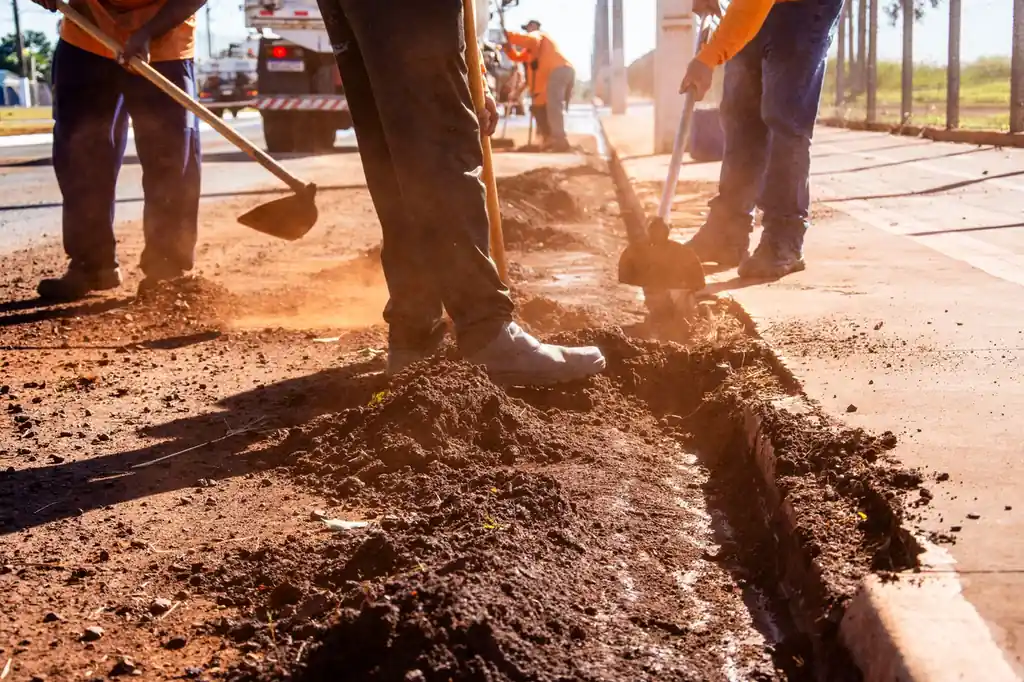
Our water bill jumped from $95 to $210 in one month, and we could not figure out why. Venice SlabGuard came out the next morning, found a pinhole leak in the copper line under our kitchen with their acoustic equipment, and had it repaired by lunch. The slab patch is barely visible. Two months later, the bill is back to normal and the floor is dry.
We had a warm spot on the floor near the hallway that kept getting bigger. They used a thermal camera to confirm it was a hot-water line leak, cut a small hole, and replaced the section with PEX. The whole job took about three hours. They pressure-tested it in front of me and showed me the gauge holding at 80 psi. No issues since.
I manage several rental properties in Venice and have used Venice SlabGuard on three slab leaks now. They respond fast, communicate clearly, and their pricing is upfront. The last one was a CPVC line under a tenant's bathroom. They had it located and repaired the same day and sent me photos of the pressure test. That is the kind of documentation I need.
Most foundation water leak repair jobs in Venice FL run $450 to $2,800 in 2026, depending on access and pipe material. Detection alone is $150 to $350. A straightforward copper repair with a small slab cut is usually $800 to $1,500. Rerouting a line overhead or repiping a larger section pushes the total higher. We quote the full job before we start.
In many cases, yes. If the leak is in a line that can be rerouted through the attic or walls, we can abandon the under-slab section and run new PEX overhead without cutting the floor. That works well for supply lines. Drain lines under the slab usually require a cut. We evaluate both options and recommend the least invasive approach that solves the problem.
Venice SlabGuard fixes foundation water leaks across Sarasota County, including Downtown Venice, Venice Gardens, North Venice, and the Venice Canals area. We are a state-licensed plumbing contractor with IAPMO-certified technicians. Call (941) 477-1483 and we will schedule detection, usually same-day or next-day, with 24/7 dispatch for active leaks.
The most common causes in Venice are copper pipe corrosion and pinhole leaks in homes built before 1995, failed fittings under newer slabs, and soil movement from the high water table near the canals. Sandy soil and seasonal water-table shifts put stress on under-slab lines. A pressure test and acoustic detection will confirm which one you are dealing with.
Not seeing your question? Our local team can help you understand urgency, scheduling and what to expect.
Ask the local team
Before any foundation water leak repair in Venice, we pinpoint the break with acoustic and thermal tools. Detection takes 45 to 90 minutes and tells us exactly where to cut, keeping the access hole small and the repair fast.
View service
When water is actively pooling on your floor at 2 a.m., our emergency crew responds 24/7 across Venice. We isolate the leak, stop the water, and complete the repair in the same visit whenever the pipe material and access allow.
View serviceUnder-slab leaks are the most common source of foundation water issues in Venice. We cut a small access hole, replace the failed section with copper or PEX, and pressure-test the line at 80 psi before patching the concrete.
View service
We use a Sewerin acoustic microphone, a FLIR thermal imaging camera, and a pressure testing gauge to locate slab leaks within a few inches. Accurate location means a smaller cut, less dust, and a faster repair for your Venice home.
View service
Reach us at (941) 477-1483 or info@veniceslabguard.com and we will get a tech on your leak. We answer 24/7 for active water loss and schedule standard inspections Monday through Friday, 8:00 a.m. to 6:00 p.m. Same-day appointments are common across Venice and Sarasota County.