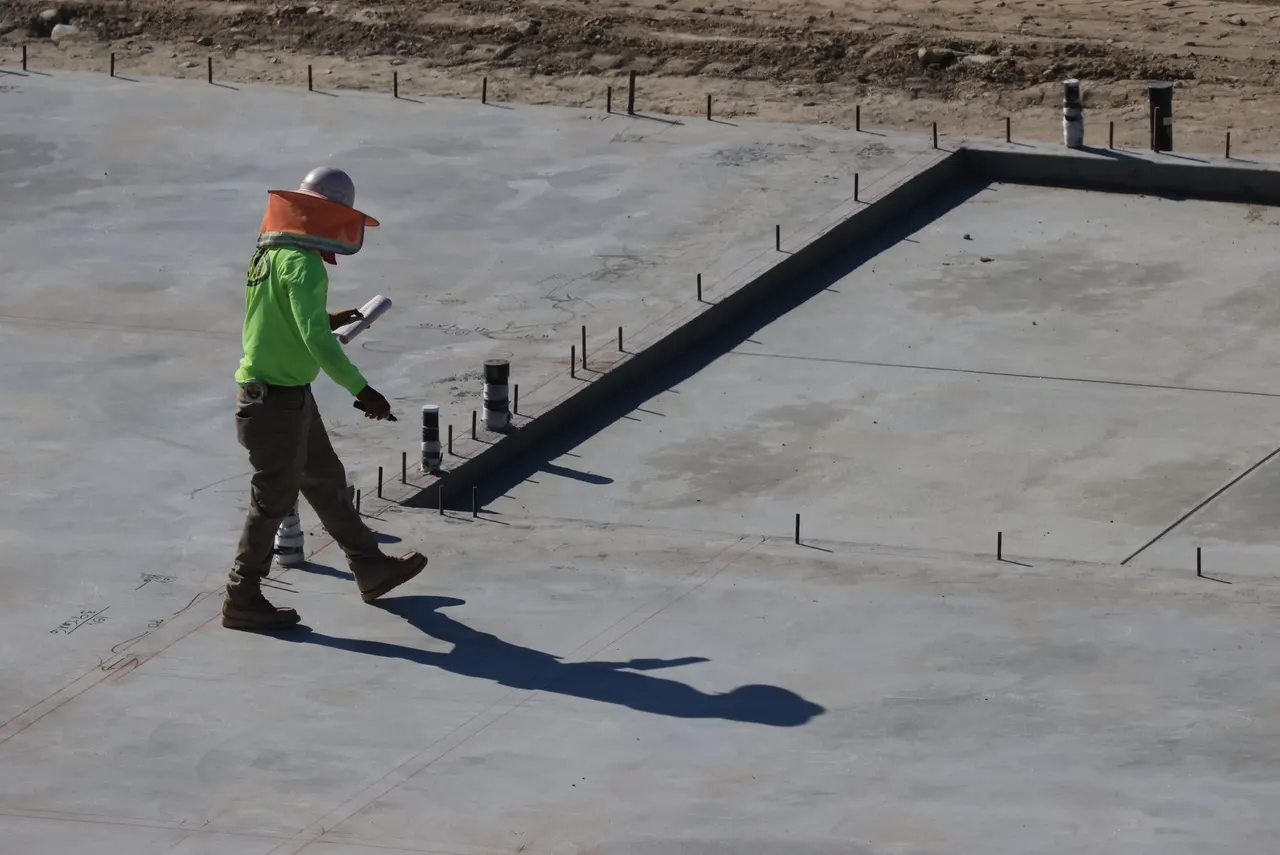
Do slab leaks happen more in Venice Canals homes?
Yes-Venice Canals homes get slab leaks far more often than inland Venice. Salt air, sandy fill, and aging copper lines are the main reasons.
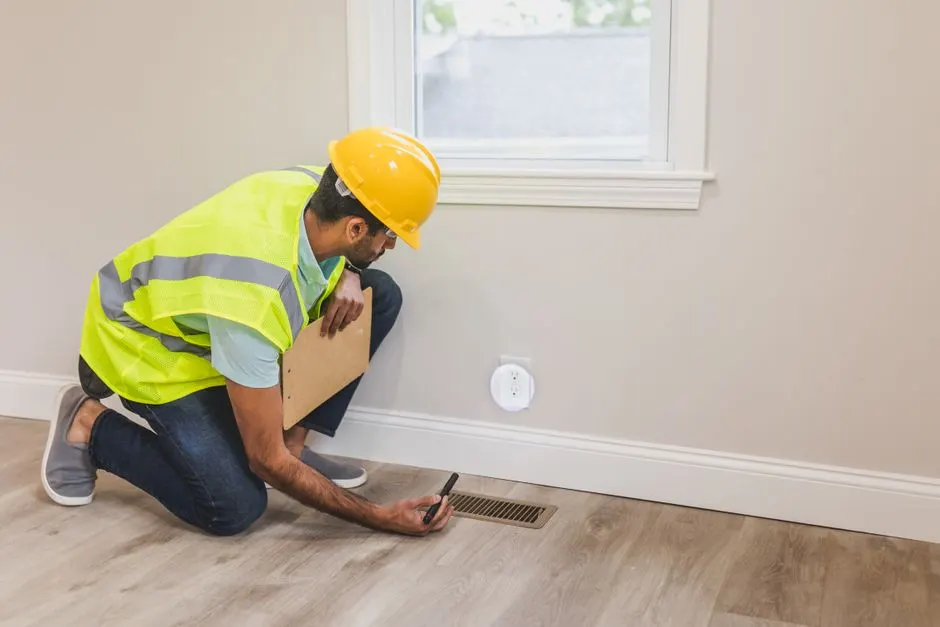
Yes. Slab leaks happen more in Venice Canals homes than in almost any other neighborhood we serve in Sarasota County. The combination of salt-laden air, sandy fill soil, and 1960s-era copper plumbing under the slab makes these homes a magnet for pinhole leaks and line failures. This post explains why the Canals are different, what the warning signs look like, and how we find and fix the leak without tearing your house apart.
Slab leaks in Venice Canals homes are pressurized water line failures beneath the concrete foundation that start as pinholes and grow into full line breaks. We have run Slab Leak Repair Venice FL calls in this neighborhood for years, and the pattern is consistent enough that we can usually guess the culprit before we even pull into the driveway.
The short answer: yes, and here is why
Venice Canals homes get slab leaks at roughly two to three times the rate of comparable homes built inland during the same decade. Three factors stack on top of each other: aggressive soil chemistry, salt air that accelerates copper corrosion, and the fact that most of these homes still have their original 1960s or 1970s copper under the slab.
We are not guessing. When we open a floor in a Canals home, we almost always find the same thing-green-blue oxidation on the outside of the copper, pitting at the bottom of the pipe where it sat in damp sand, and a pinhole that finally let go after fifty-plus years.
Why do Venice Canals homes get slab leaks?
Venice Canals homes get slab leaks because the underground environment here is unusually hostile to copper. The canals themselves keep the water table high, the soil is a sandy shell mix that holds moisture, and the salt in the air works its way into the ground every time it rains.
Copper under a slab is not protected from any of that. It sits in wet sand for decades, and every tiny imperfection in the pipe wall becomes a corrosion site. The pipe does not fail all at once. It fails one pinhole at a time.
Building age is the biggest single factor
Most of the homes in the Venice Canals were built between the late 1950s and the mid 1970s. Copper supply lines from that era were thinner-walled than modern Type L or Type K copper, and they were often laid directly in the sand without a protective sleeve. Fifty to sixty years later, that pipe is at the end of its service life.
We see the same pattern in the older neighborhoods near Slab Leak Repair in Downtown Venice, where 1950s ranches share the same underground plumbing profile. The Canals just add salt to the equation.
The salt air and sandy soil problem
Salt air does not just eat the paint on your window frames. It works its way into the soil around your foundation, and chloride is one of the most aggressive corroding agents for copper plumbing. Every rain event washes more of it down into the sand bed your pipes sit in.
We have pulled copper out of Canals homes that looked like it had been sitting in seawater. The outside of the pipe was pitted and green, and the wall thickness was down to a fraction of what it should be. That is what fifty years of salt exposure does.
Add the high water table-the canals keep groundwater close to the surface-and the pipe never gets a chance to dry out. Corrosion needs moisture and oxygen, and this neighborhood supplies both year-round.
What the soil actually does to the pipe
- Sandy shell fill drains fast but stays damp at depth, so the bottom of the pipe corrodes first.
- Chlorides from salt air and irrigation water attack the copper surface continuously.
- Shifting sand from seasonal water table changes flexes the pipe and opens pinholes.
- Original 1960s copper was thin-walled and never designed for a salt environment.
What slab leaks look like in a Venice Canals home
Slab leaks in Venice Canals homes show up in a few predictable ways. The most common is a water bill that jumps without any change in how many people are living in the house. The second is a warm spot on the floor-if the leak is on the hot water side, that spot can run five to fifteen degrees warmer than the surrounding tile.
Other signs we get called about:
- A sound of running water when every fixture in the house is off.
- Cracks in tile or a floor that feels slightly spongy in one area.
- Musty smell near baseboards, especially in hallways and bathrooms.
- Water meter spinning with the main shutoff closed.
- Unexplained moisture or mildew along the base of an interior wall.
If you are seeing any of these, our guide to the signs of a slab leak Venice FL walks through each one and what it usually means. Catching it early is the difference between a targeted repair and a full repipe.
How we find the leak without tearing up your floor
We locate the leak before we touch a single tile. Our technicians use a combination of acoustic listening, thermal imaging, and electronic amplification to pinpoint the failure to within a few inches. That means one small access point instead of a demolished floor.
The process usually goes like this:
- We isolate the hot and cold sides at the water heater and main shutoff.
- We pressurize the system and listen for the leak signature with acoustic gear.
- We confirm the location with a thermal camera or moisture meter.
- We mark the spot and walk you through the repair options before we open anything.
For most Canals homes, that whole process takes about ninety minutes. If you want the detail on how each tool works, our page on slab leak detection Venice FL covers the equipment and what it can and cannot find.
Repair options once we find it
Not every slab leak needs the same fix. A single pinhole on a straight run of copper can often be repaired in place with a spot fix. A line that is pitted every few feet needs to be rerouted or replaced, because you will be back in the same spot within a year if you only patch the first hole.
We give you the honest read. If a spot repair will hold, we will do a spot repair. If the pipe is at the end of its life, we will tell you that too, and we will show you the section we pulled so you can see it for yourself.
What to watch out for
The biggest mistake we see in the Canals is homeowners waiting too long. A pinhole leak under a slab does not heal. It grows, and the water it releases does not disappear-it saturates the sand under your foundation and starts working on the slab itself.
Other things to avoid:
- Assuming a high water bill is a billing error. It almost never is.
- Letting a handyman jackhammer the floor without leak location first. You end up with a hole in the wrong spot and a bigger repair bill.
- Ignoring a warm floor spot because the water heater is nearby. That warm spot is often the leak itself.
- Patching one pinhole on a pipe that has five more waiting. We see this constantly in 1960s Canals homes.
One more thing: if your home still has the original copper and you have already repaired two or more slab leaks, the math usually favors a full repipe over a third spot repair. We will run those numbers with you honestly.
When to call a professional
Call a professional the moment you have two or more signs at once-a high bill plus a warm floor, or a running-water sound plus a musty smell. One sign alone can wait a day. Two signs together usually means the leak is already active.
At Venice SlabGuard, we handle the whole job: locate, repair, pressure test, and confirm the line holds before we pack up. If you are in the Canals and something feels off, we would rather come out and find nothing than have you sit on a leak for another month.
Frequently Asked Questions
Do slab leaks happen more in Venice Canals homes?
Yes. Venice Canals homes see slab leaks roughly two to three times more often than inland Venice homes built in the same era. Salt air, sandy fill soil, a high water table from the canals, and original 1960s copper plumbing all push these homes toward earlier pipe failure.
Why are slab leaks common in Venice Canals?
Chlorides from salt air work into the soil and corrode copper from the outside in. The canals keep groundwater close to the slab, so the pipe never dries. Combined with fifty-plus-year-old thin-wall copper, that environment produces pinhole leaks at a much higher rate than drier inland neighborhoods.
Who repairs slab leaks in Venice Canals?
Venice SlabGuard repairs slab leaks throughout the Venice Canals and greater Venice area. We locate the leak with acoustic and thermal equipment, open one small access point, repair or reroute the line, and pressure test before we leave. Call (941) 477-1483.
How much does slab leak repair cost in Venice Canals?
Typical 2026 pricing in this area runs $800 to $2,200 for a spot repair, $2,500 to $6,000 for a reroute, and $4,500 to $12,000 for a partial or whole-house repipe. Location and access drive most of the difference. We quote the job before we open the floor.
Do I need to move out during a slab leak repair?
No. Most Canals repairs are done in a single day with the water off for a few hours. You can stay in the home. If we are doing a larger repipe, we will walk you through the schedule so you know exactly when the water is on and off.
Get help with Slab Leak Repair in Venice
If your Canals home is showing any of the signs above, we can be out to locate the leak and give you a straight answer on the repair. One call, one visit, and you will know exactly what you are dealing with.
Call Venice SlabGuard at (941) 477-1483 to schedule slab leak repair in Venice.